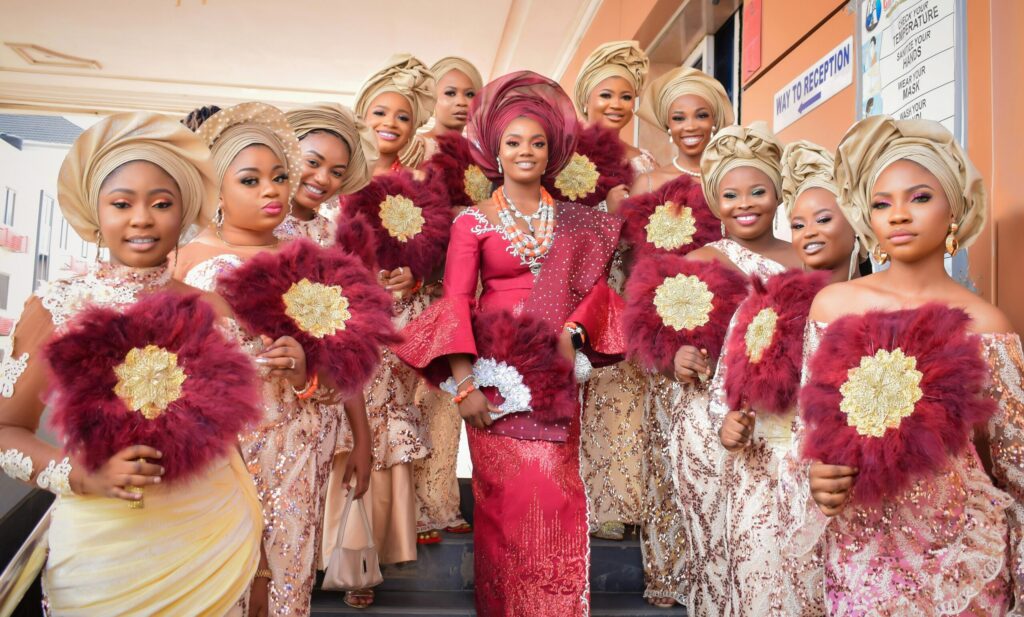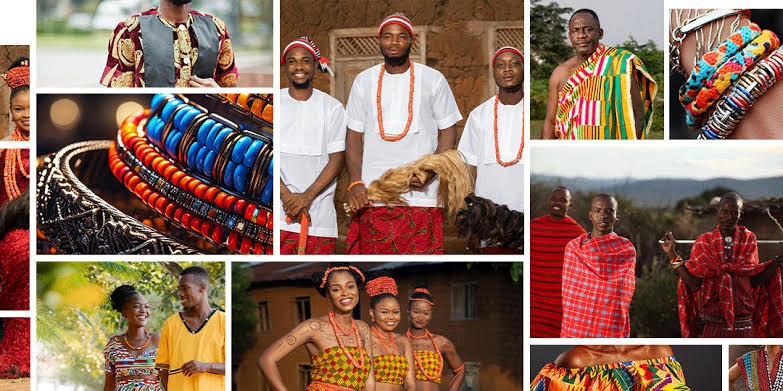
Are you a fashionista, or someone who just loves to look elegant and graceful wherever you’re seen? Well, you’re not alone. Let’s explore Africa, specifically, traditional attire in West Africa, which over the past few decades have experience a beautiful revival. Traditional African clothing once reserved mainly for ceremonies and festivals has now become everyday fashion, awed and marvelled at both at home and across the world. From brightly coloured Ankara fabrics to regal Kente cloth, West African cultural dress is gaining attention for its beauty, symbolism, and cultural pride.
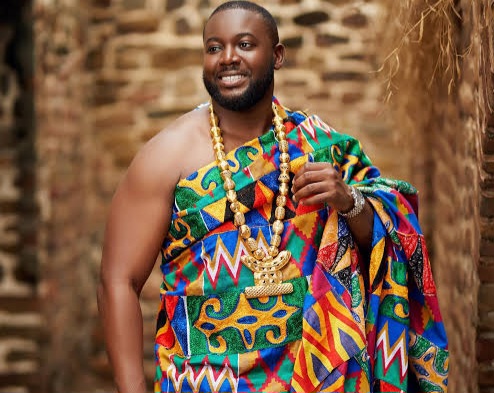
In West African societies, what people wear is deeply tied to their identity, status, and beliefs. Each tribe and region has its own unique fabrics, weaving techniques, and patterns that carry symbolic meanings. For example, Kente cloth from Ghana is often woven with bright, geometric patterns and is traditionally worn by royalty or on special occasions. Aso Oke in Nigeria is a hand-woven fabric traditionally worn by the Yoruba people for weddings and celebrations. Bogolanfini or mud cloth from Mali is known for its earthy tones and ancient dyeing methods, with each design telling a story.
The Revival of African Traditional Clothing
The growing movement to bring traditional clothing into our daily lives have sparked a revolution by which more Africans are turning away from the colonial clothing wear and embracing their identities for all to view which is now proudly worn to the office, church, school, and even the red carpet.
This change is not only growing but being adopted by foreign stylist who wish for a creative fusion such as modern designers blending traditional fabrics into suits, skirts, joggers and other simple daily wears. The revival was sparked through cultural pride, social media platforms like Instagram and TikTok spreading West African fashion with global audiences. and Global influence of African designer being recognised internationally for showcasing West African culture through dress which could be worn to brunch or a political event.
Also read: 7 Types of Popular African Lace Patterns for Weddings and Events
West African Fashion and Modern Innovation
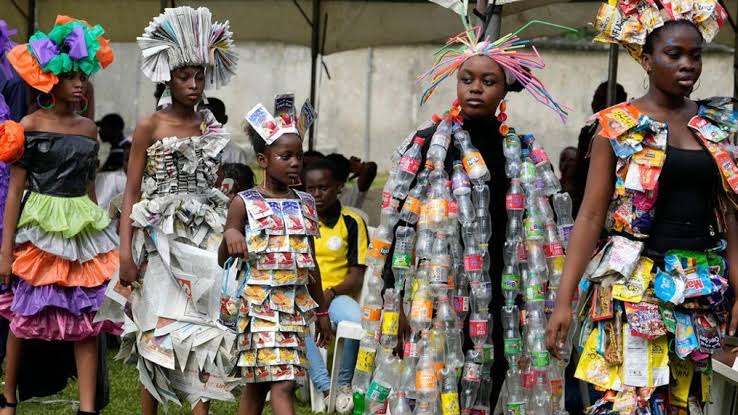
Modern West African fashion is seen to be a fusion of western style while respecting African tradition. Designers are experimenting with bold cuts and using organic and recycled eco-friendly materials to tell stories of heritage and sustainability. Such as Osei Duro, Izelia Fashion, Kente Gentleman and many more.
Some exciting trends include,
Street-style fusion, which is the pairing of traditional tops with jeans or rocking sneakers with Ankara skirts.

Gender neutral styles: Designers are creating unisex pieces that celebrate culture without gender boundaries.
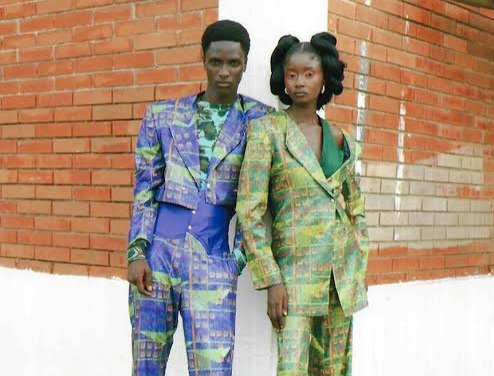
Upcycling and Organic materials: There is a growing trend on preserving resources and reducing waste by using leftover fabrics or reviving old designs.
It is important to note that the growth of traditional attire in West Africa is not just a cultural movement, it’s also an economic one through a constant and steady demand for local fabrics and native designs like Ankara, Aso Oke, Adire, and Kente, the need and demand for artisans, weavers, and tailors will increase as well.
Also read: 15 Most Romantic Cities in Africa Every Couple Should KnowLorem ipsum dolor sit amet, consectetur adipiscing elit. Ut elit tellus, luctus nec ullamcorper mattis, pulvinar dapibus leo.
African Traditional Clothing on the Global Stage
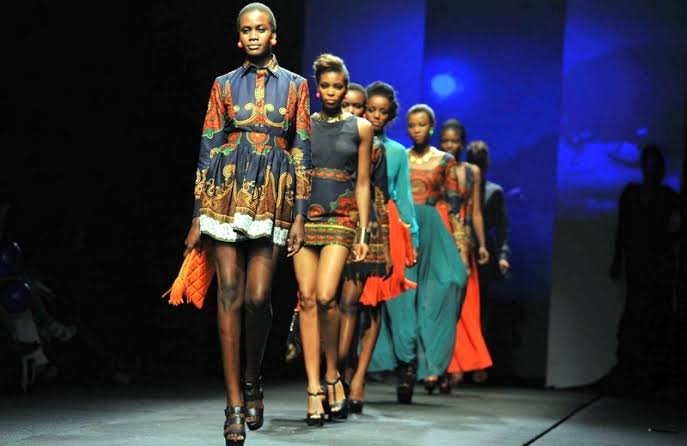
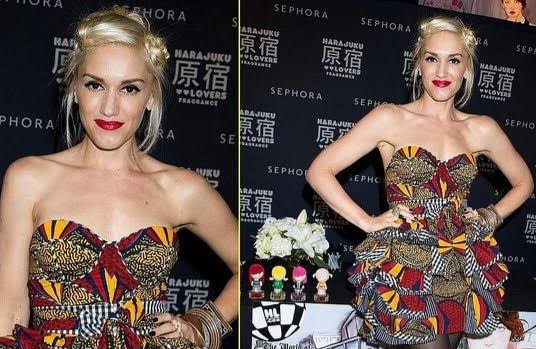
The global fashion industry has also taken notice of the alluring, decorative and diversity of African traditional clothing. We now see today, West African fashion being displayed by celebrities, fashion houses, and stylists worldwide who are now incorporating indigenous African clothing into their collections.
In recent years, we’ve seen African prints on international runways in New York, Milan, and Paris, Hollywood stars wearing African-inspired outfits at award shows and collaborations between African and international designers that highlight cultural heritage.
Also read: 15 Best & Fun Places to Visit in Lagos Nigeria
The rise of African traditional clothing is a robust movement that blends heritage, pride, creativity, and innovation. As more people embrace West African cultural dress, they help keep centuries-old traditions alive while pushing the boundaries of modern fashion. It’s more than a trend, it’s a celebration of identity, history, and the unbreakable spirit of African creativity.
Looking ahead, the future of traditional attire in West Africa is bright. As cultural pride grows and more people around the world embrace African fashion, we can expect greater transformation from African designers, more global platforms for showcasing West African fashion and a stronger flourishing connection between tradition and modern identity.
Frequently Asked Questions
What factors have contributed to the resurgence of traditional clothing in West African societies?
The resurgence of traditional clothing in West Africa is driven by a renewed sense of cultural pride, the influence of Afrocentric fashion trends, support from local fashion industries, and the promotion of indigenous identity through social media and cultural events.
How have modern West African designers influenced the growth of traditional attire?
Modern designers blend traditional fabrics like Ankara, Aso Oke, and Kente with contemporary styles, making traditional clothing more appealing to younger generations and suitable for formal and casual wear alike. This innovation has fueled both local and international interest.
In what ways has traditional clothing impacted economic development in West Africa?
The growth of traditional clothing has boosted local economies by creating jobs in textile production, tailoring, and fashion design. It has also encouraged entrepreneurship, with many artisans and designers exporting their creations abroad.
How does traditional clothing serve as a form of cultural identity in West African societies?
Traditional clothing reflects ethnic heritage, social status, and historical roots. Wearing these garments helps individuals express their connection to their ancestry and promotes cultural unity during festivals, weddings, and national celebrations.
What role does social media play in promoting traditional West African clothing?
Social media platforms like Instagram, TikTok, and Facebook allow designers and wearers to showcase traditional attire to a global audience. This exposure increases appreciation, inspires new trends, and strengthens cultural pride among West Africans at home and in the diaspora.