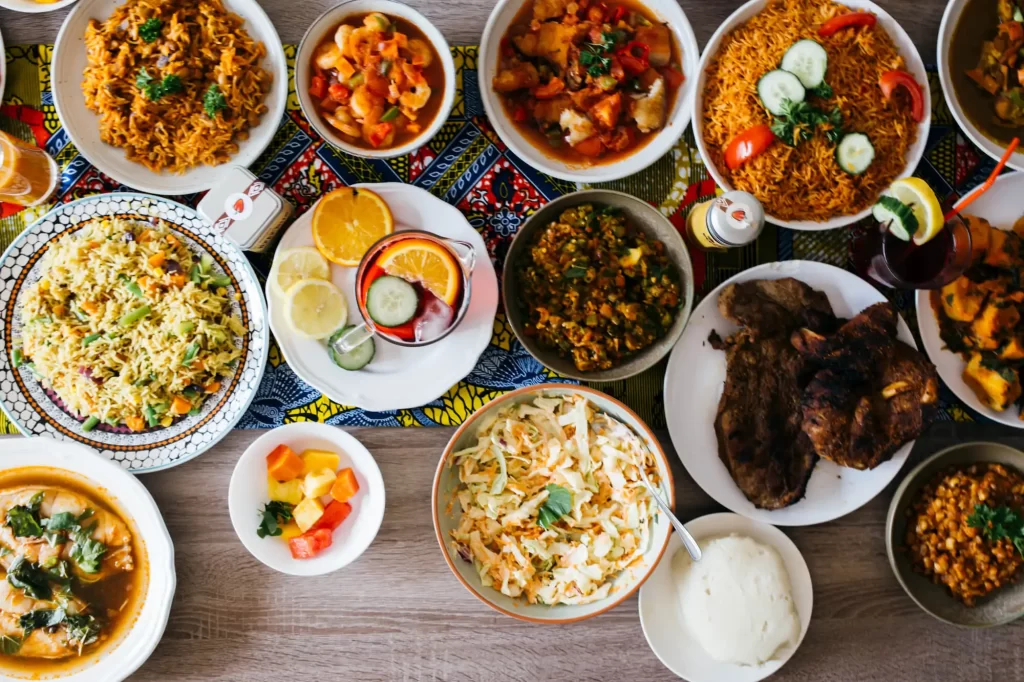
Have you ever had a meal that brought joy to your taste buds or made you crave another bite? Well, then, you’re like us. Some dishes are just that good with flavours that make you enjoy every taste. West African food is known for its dynamic flavours and mouth-watering delicacies. From smoky jollof rice to spicy suya, the magic lies in the mix of traditional African spices passed down through generations.
Spices that Define & Enhance West African Cuisine
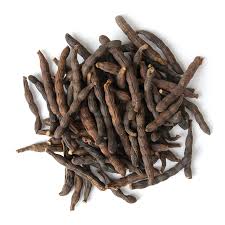
1. Grains of Selim (Uda Pods)
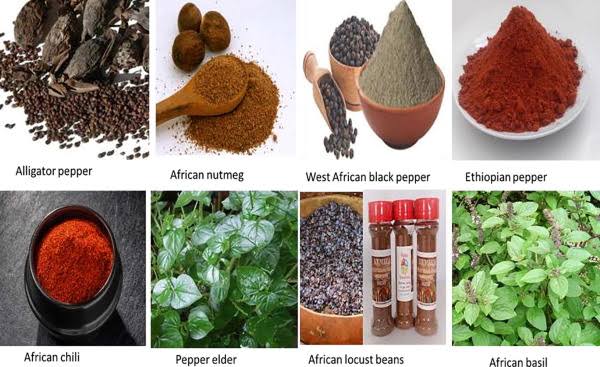
Grains of Selim are one of the lesser-known but highly aromatic African spices. Known locally as uda, this spice has a smoky, peppery flavour that adds depth to soups and stews.
In Nigeria and Ghana, it’s commonly used in pepper soup, giving it that appetising smoky aroma. Unlike regular black pepper, Grains of Selim also lend a slightly musky and earthy taste, making it a favourite in traditional African spice collections.
Pro tip: Lightly toast the pods before adding them to your dish to bring out their full aroma.
Image Source: Woodland Foods
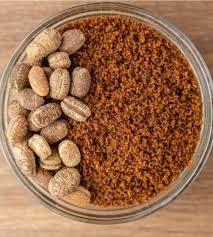
2. Calabash Nutmeg
Don’t confuse this with the nutmeg in your spice rack. Calabash nutmeg, also known as African nutmeg or ehuru in Nigeria, has a warm, slightly sweet, nutty and woody flavour
This spice is essential in many West African cooking ingredients, especially for seasoning grilled meats, pepper soups, and stews. It’s grated or ground before use and gives dishes a unique aroma that’s unmistakably African.
Fun fact: It’s often used in suya spice mixes for that signature suya flavour.ullamcorper mattis, pulvinar dapibus leo.
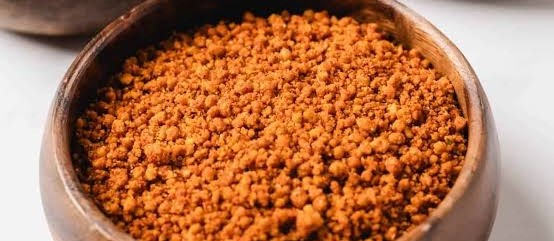
No list of popular spices in West Africa is complete without suya spice, known locally as yaji. This flavoursome spice is a mixture of ground peanuts, ginger, paprika, cayenne, garlic powder, and sometimes Calabash nutmeg.
Yaji is famously used in Nigeria to season suya, chicken, fish, and roasted vegetables.
Pro tip: Make a batch at home and sprinkle it on popcorn for a spicy snack twist!
Image Source: Low Carb Africa
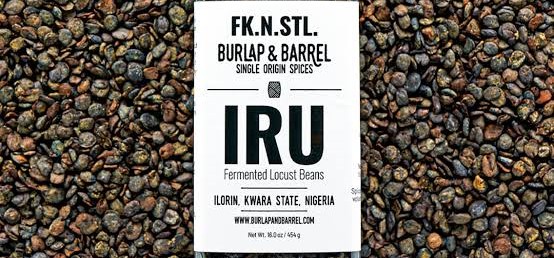
4. Locust Beans (Iru / Dawadawa)
Fermented and funky, locust beans are a flavour bomb. Known as iru in Yoruba or dawadawa in Hausa, they are one of the most essential ingredients in West African cooking.
Used in soups like egusi, ogbono, and okra, this spice adds that rich, savoury depth similar to miso or soy sauce. It may be an acquired taste for some, but once you try it, you’ll understand why it’s beloved across the region.
Note: Always rinse before using to reduce bitterness.
Image Source: Burlap and Barrel
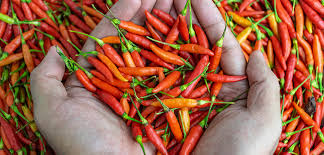
5. African Bird’s Eye Chilli (Piri Piri / Atarodo)
West African food is famously spicy, and one of the main reasons is the African bird’s eye chilli. These small but mighty peppers are known as atarodo in Nigeria or piri piri in some regions.
They’re used in countless dishes, from stews to sauces like shito made in Ghana and pepper sauce used in Sierra Leone. The heat is intense but well-seasoned, adding a savoury kick to meals.
Cooking tip: Use in moderation if you’re heat-sensitive
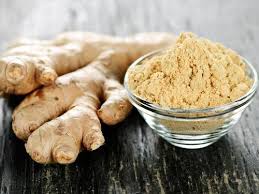
Ginger is a globally loved spice, but in West Africa, it plays a particularly important role. It’s one of the foundational ingredients in West African cooking, used in both fresh and dried forms.
It adds warmth, heat, and aroma to stews, soups, marinades, and even drinks like ginger tea or zobo. In many traditional homes, ginger is combined with garlic and onions as a base for nearly every dish.
Bonus use: Ginger is also used for its medicinal benefits in many traditional African spice remedies.
Image Source: Spice Rack India
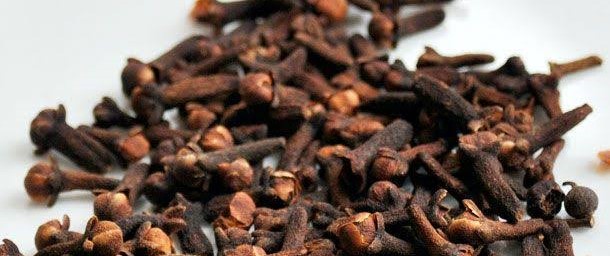
7. Cloves
Cloves may be tiny, but they pack a spicy punch. Their sweet, spicy, and slightly bitter flavour makes them perfect for rich dishes like jollof rice, meat stews, and spice mixes.
In West African food, cloves are often ground and combined with other African spices like nutmeg, cinnamon, and ginger to make delish blends. They are also used in festive rice dishes and meats.
Pro tip: Use whole cloves in stews and remove before serving to avoid biting into one.
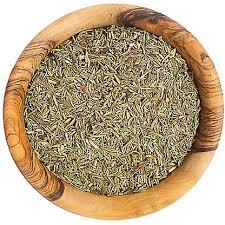
This familiar herb is surprisingly one of the most used ingredients in West African cooking. Whether fresh or dried, thyme adds a herby aroma and palatable depth to dishes.
In countries like Nigeria and Ghana, it’s used to season meats, stews, sauces, and jollof rice. Thyme often pairs with curry powder and bay leaves to build the classic West African base flavour.
Pro tip: Add thyme early in the cooking process so it blends fully into your dish
Image Source: Central Market
9. Curry Powder (West African Style)
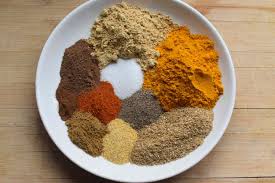
While curry powder may have its roots in South Asian cuisine, West African-style curry powder has a unique flavour. It often includes turmeric, coriander, ginger, chilli, and African-style spices to create a distinct taste.
It’s commonly used in chicken stew, fried rice, and vegetable sauces.
Watch out: Not all curry powders are the same. Try to find West African blends for the most authentic taste.
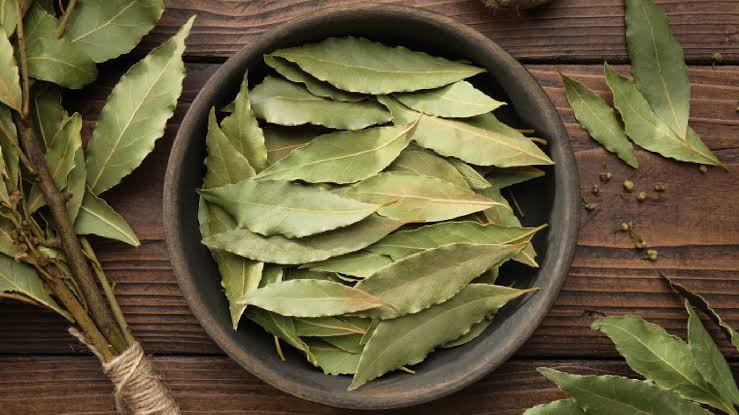
Bay leaves play an essential part in traditional African spices. While they may not be native to Africa, their use is deeply rooted in West African food culture.
Bay leaves are added to soups, rice dishes like jollof, and stews for that slow-cooked depth and fragrance. They enhance the complexity of dishes without overpowering them.
Pro tip: Always remove bay leaves before serving.
Image Source: Healthshots
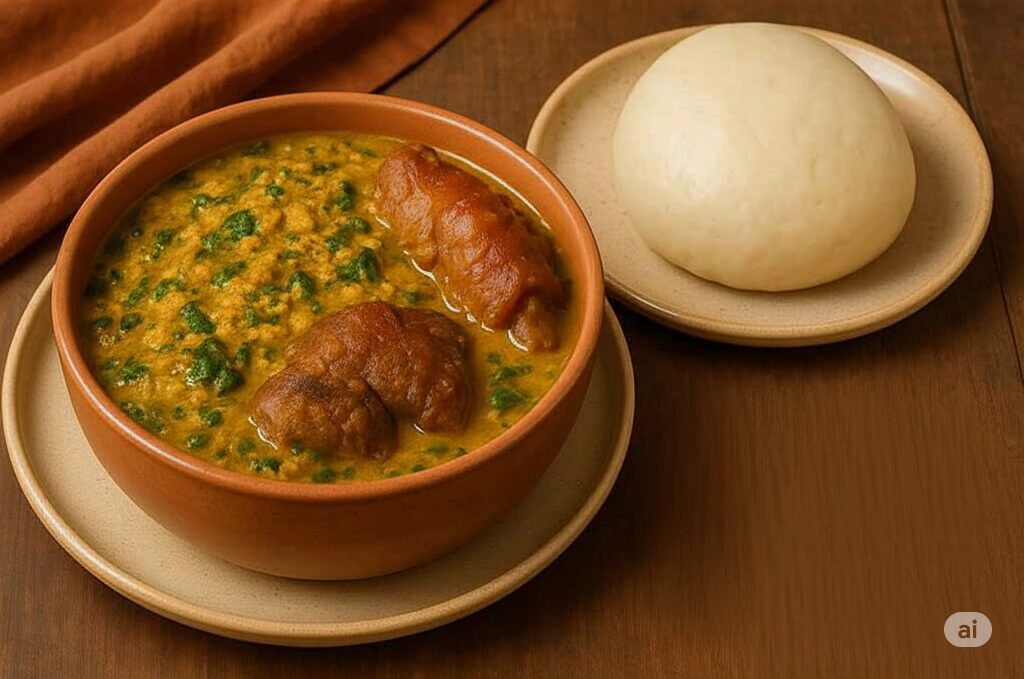
Thanks to these powerful traditional African spices, West African food is known and adored around the world. Whether you’re cooking a classic Nigerian egusi soup or experimenting with Ghanaian jollof rice, the right spice mix can make all the difference.
These popular spices in West Africa are not just for flavour, they carry history, culture, and community with every sprinkle. So go ahead, stock up your pantry and embrace a new world of culinary delight.
Frequently Asked Questions About African Spices
Why are spices important in West African cuisine?
Spices are central to West African cuisine because they add depth, heat, aroma, and cultural identity to the food. They transform simple ingredients into bold and flavorful dishes that reflect the region’s rich culinary heritage
What role does suya spice play in West African cooking?
Suya spice is a flavorful blend of ground peanuts, chilli powder, ginger, and other spices, commonly used to season grilled meats, especially beef skewers. It gives dishes a nutty, spicy, and smoky taste that is distinctly West African.
Which spice is known for its strong, pungent aroma and is often used in soups and stews?
Locust beans (also called iru or dawadawa) are known for their intense aroma and savoury flavour. They are commonly used in traditional soups like egusi and ogbono to enhance umami.
What is African nutmeg, and how is it different from regular nutmeg?
African nutmeg (also called ehuru or calabash nutmeg) has a more earthy and smoky flavour than regular nutmeg and is used to season soups and stews.