All my travel buddies who love history, music, food, and colourful traditions will find that West African festivals are among the liveliest cultural experiences in the world. These celebrations unite communities, explore centuries-old traditions, and create joyful spaces where families can dance, learn, and experience local customs.
1. Osun-Osogbo Festival
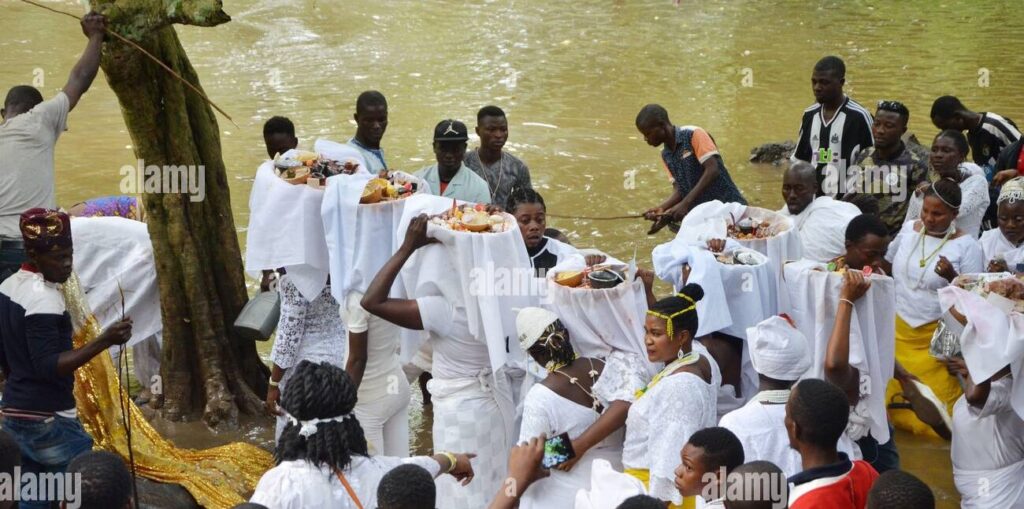
One of the most famous African cultural festivals is the Osun-Osogbo Festival that takes place annually in Osun State, Nigeria. Held in honour of the goddess of fertility and fresh water, goddess Osun, this sacred event attracts both worshippers and tourists. Osun-Osogbo is a fourteen-day festival held in August every year. Families can join the parade to the sacred grove, enjoy traditional dances, and witness beautifully costumed devotees such as priests and priestesses. It is a great opportunity for children to learn about Yoruba mythology while experiencing the dramatic local performances.
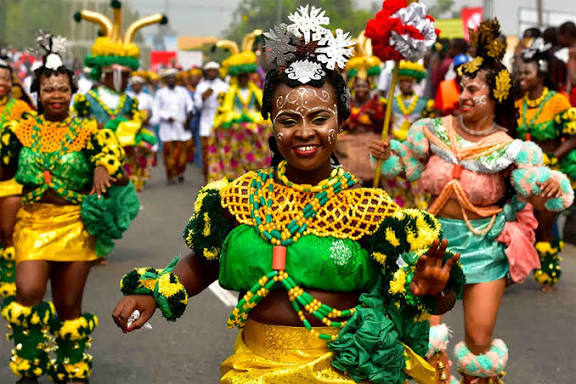
The word “Homowo” means “hooting at hunger.” In Accra and surrounding Ga communities, the Homowo Festival marks the end of a hunger season and celebrates a bountiful harvest. Families enjoy a variety of rituals and traditional foods, such as the ceremonial planting of corn and the preparation of the traditional dish Kpekple known as “kpokpoi,” and also participate in drumming, singing, face painting and street parades. This top West African festival offers a warm, community-oriented atmosphere that makes it easy for travellers with kids to join in.
Image Source: funtimesmagazine.com
3. Durbar Festival
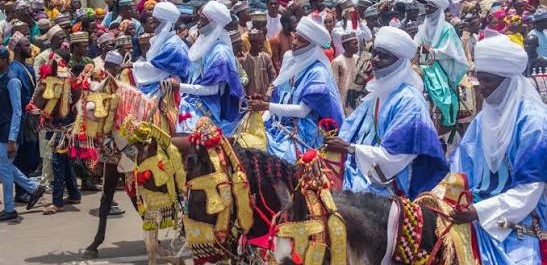
Celebrated in the northern states of Nigeria, particularly Kano and Katsina, the Durbar Festival is a remarkable display of horse parades, music, and traditional dress. Originally linked to Islamic celebrations, the event, which now doubles as a cultural showcase for visitors, is celebrated following the end of Ramadan. Families can marvel at the decorated horses, enjoy Hausa drumming, and see the graphic royal regalia. For children, the spectacle of musicians, artillerymen and horse riders charging in formation is both thrilling and educational.
Image Source: artsandculture.google.com
4. Cape Coast Festival
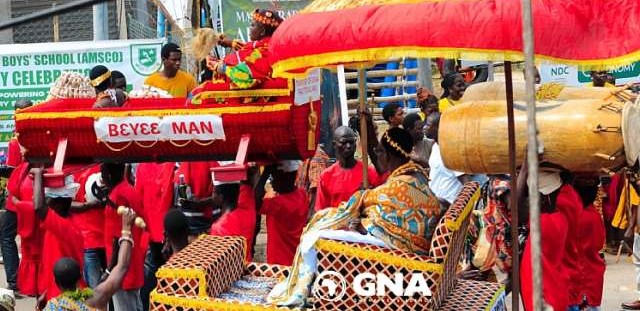
The Cape Coast Festival, also known as Fetu Afahye, is a thanksgiving festival which takes place in the historic coastal city of Cape Coast to commemorate overcoming a historic plague and to give thanks for a good harvest. Families visiting during the festival will experience a grand durbar of chiefs and elders, a procession by seven Asafu companies, the orange Friday carnival and spirited drumming ceremonies. The event is also a chance to reflect on the city’s history as a former hub of the transatlantic slave trade. Parents can combine cultural education with fun, ensuring kids come away with both knowledge and lasting memories.
Image Source: www.modernghana.com
5. Ouidah Voodoo Festival
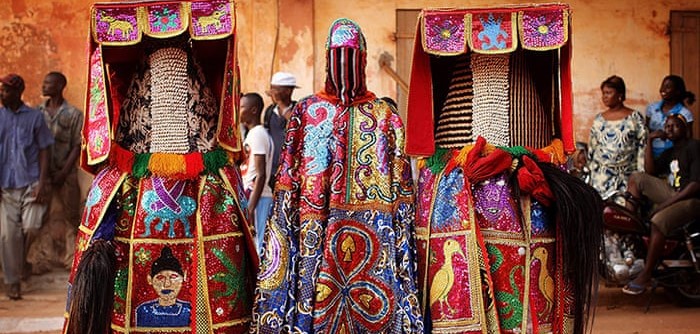
Every January, the town of Ouidah in Benin becomes the global capital of voodoo celebrations. The Ouidah Voodoo festival, also known as the Fete du Vodoun, features drumming, dancing, trance rituals and offerings honouring traditional spirits. Though deeply spiritual, the event welcomes visitors, making it a fascinating stop for families interested in cultural diversity. Children will be intrigued by the spirited costumes and ceremonial dances, while parents can appreciate the historical significance of voodoo in West African heritage.
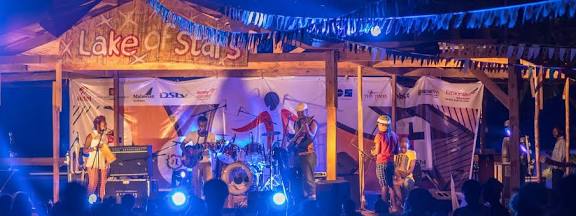
This annual three-day international music and arts festival takes place by the beautiful Lake Retba (Lac Rose) in Senegal. Families can enjoy live music, dance performances, art workshops, and storytelling sessions. With its relaxed beachside vibe, this festival offers a safe, family-friendly environment where children can explore African music traditions while parents soak in the lakeside views. It is one of the most modern yet culturally rooted festivals in West Africa.
Image Source: www.malawitourism.com
7. Eyo Festival
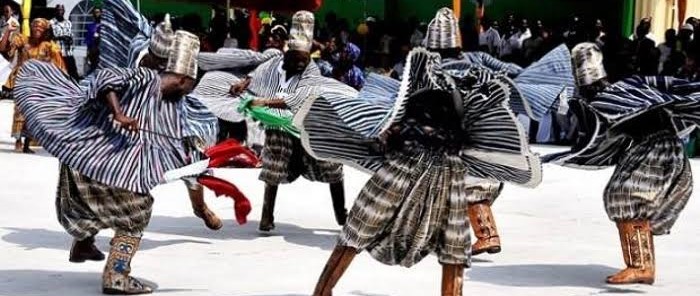
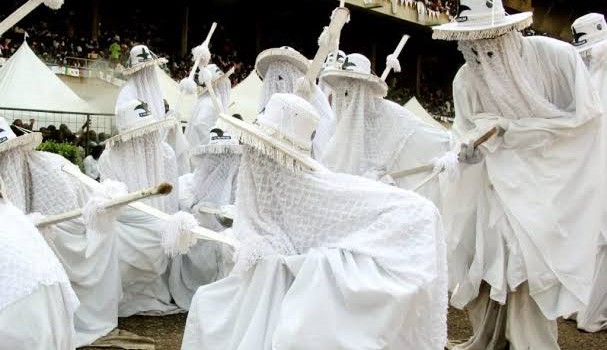
Known as the “Festival of White Cloth,” the Eyo Festival is a spectacular Yoruba masquerade event in Lagos serving as a tribute to deceased Oba (kings) and their Chiefs. Every Eyo procession narrates a tale, and each story is intricately woven around the lives and reigns of departed rulers. The highlight is the grand parade of costumed Eyo masqueraders carrying staffs and performing dances along major city streets. Families will love the pageantry and excitement, while children will be captivated by the masked performers. The Eyo Festival is unique to Lagos and is considered a true Top West African festival that blends tradition with urban energy.
Image Source: rexclarkeadventures.com
8. Gèlèdé Festival
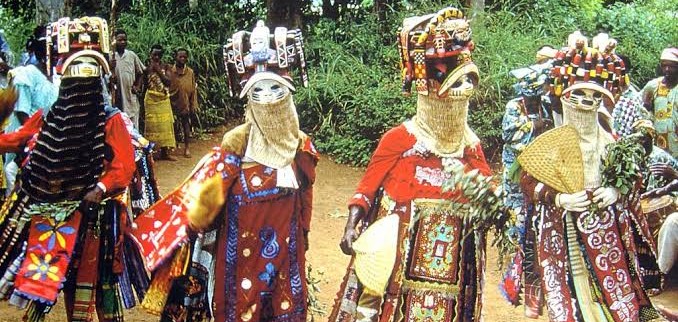
Recognised by UNESCO as a Masterpiece of Oral and Intangible Heritage of Humanity, the Gèlèdé Festival is a vibrant event celebrated by the Yoruba people in Benin and Nigeria. The festival honours women and the role of motherhood in society while also honouring Mother Earth. Families can watch masked dances, colourful parades, and traditional songs that highlight respect for women and community values. This festival provides meaningful lessons for children while still being entertaining.
Image Source: fatherlandgazette.com
9. Tabaski Festival
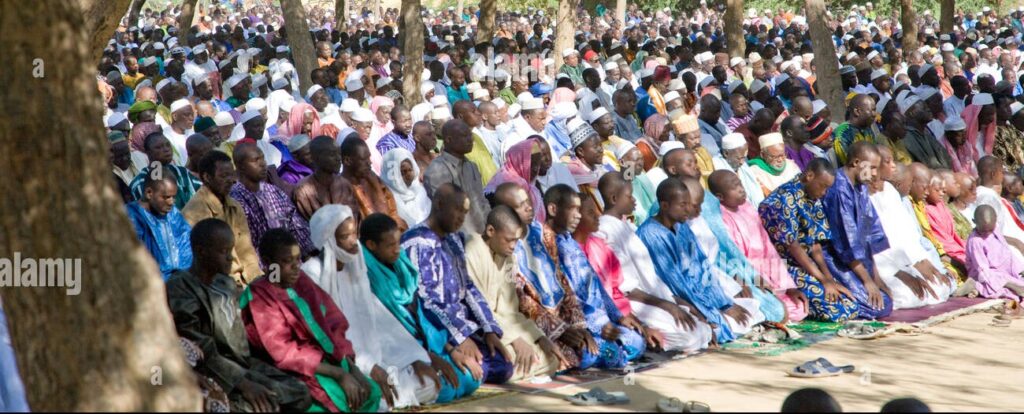
Also known as Eid al-Adha(the Festival of Sacrifice), Tabaski is one of the largest Muslim holidays across West African festivals as it honours the Prophet Ibrahim. Families can participate in communal prayers, enjoy feasts, and witness cultural traditions like drumming and storytelling. As it is celebrated across many West African countries, including Senegal, Mali, and Nigeria, families travelling during this time will have no shortage of opportunities to join in the joy and hospitality.
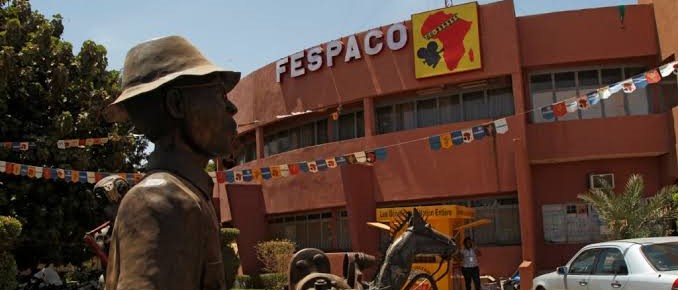
The Pan-African Film and Television Festival of Ouagadougou (FESPACO) is the largest film festival in Africa. Held every two years, it offers families a unique way to explore African creativity. Screenings, workshops, and cultural events provide opportunities for kids and parents to learn about storytelling through African cinema. This modern celebration balances tradition with innovation, making it one of the most accessible African cultural festivals for international families.
Image Source: www.pbs.org
Exploring these festivals in West Africa is more than just looking for entertainment on your next family vacation. It’s a perfect mix of fun, education, and cultural understanding. Children can learn values like respect, community, and creativity, while parents enjoy a pleasurable travel experience. From sacred ceremonies to modern art showcases, each top West African festival introduces families to the warmth and hospitality of local communities
Frequently Asked Questions
What makes West African festivals unique for family travel?
West African festivals are unique because they blend history, culture, music, dance, and vibrant costumes in ways that both adults and children can enjoy. They are community-centred events that welcome visitors, offering families the chance to experience authentic traditions while also engaging in fun activities such as parades, food fairs, and performances.
Which West African festivals are most family-friendly?
Festivals like the Osun-Osogbo Festival (Nigeria)andHomowo Festival (Ghana) are particularly family-friendly. They include storytelling, cultural displays, and colourful parades that children find exciting, while parents can appreciate the historical and spiritual significance.
When is the best time of year to attend West African festivals?
Most major West African festivals happen between July and December, coinciding with post-harvest celebrations and traditional religious observances. However, some, like the Durbar Festival in Nigeria, are tied to Islamic holidays, so their dates vary depending on the lunar calendar. It’s always best to check festival schedules in advance.
Do families need special preparations before attending these festivals?
Yes, some preparation helps ensure a smooth experience. Families should check local weather conditions (as many festivals happen outdoors), dress comfortably in light clothing, and bring essentials like water, hats, or sunscreen. It’s also wise to book accommodation early, as festival towns can get crowded.
Are West African festivals safe for tourists with children?
Most West African festivals are safe, as they are community-led and often supported by local authorities. Families are usually welcomed warmly. However, as with any large gathering, it’s best to stay alert, keep valuables secure, and follow local guidance for safety.