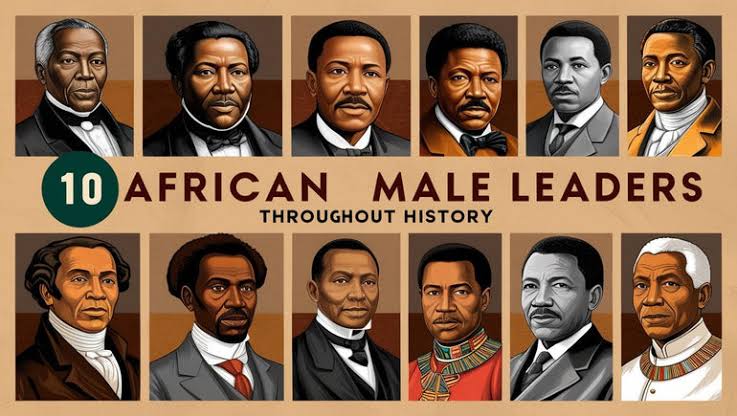
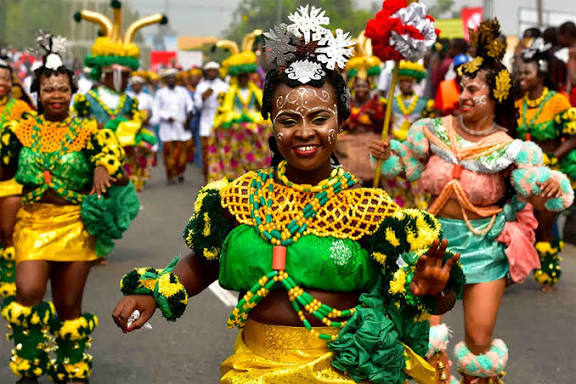
Without the bravery and achievements of these influential leaders, the history of West Africa would not be complete. The influential leaders in West African History who shaped this region did not simply rule; they built civilisations, mastered trans-Saharan trade networks worth billions, and preserved knowledge through living oral traditions.
The List of Greatest Leaders in West African History
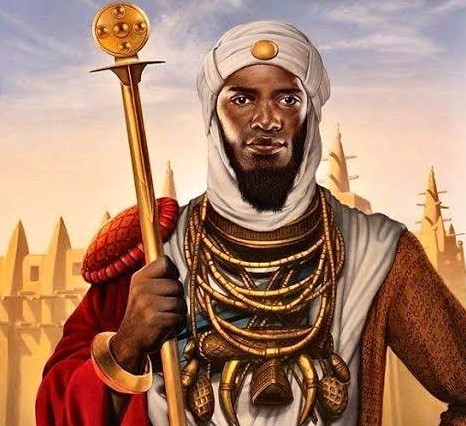
1. Mansa Musa (1312–1337) | Emperor of the Mali Empire
Mansa Musatransformed the Mali Empire into the wealthiest kingdom on Earth. His legendary 1324 pilgrimage to Mecca, during which he distributed gold across North Africa, demonstrated the power of trans-Saharan trade networks. As history still recounts, no ruler before or since rivalled his economic influence.
He also built Timbuktu into a global centre of Islamic scholarship and expanded the Mali Empire to cover modern-day Senegal, Gambia, Guinea, and Mali.
Image Source: www.baytalfann.com
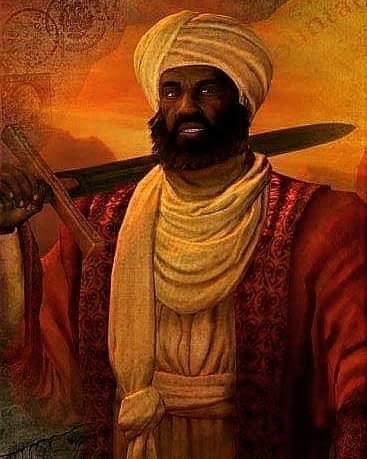
2. Sundiata Keita (1235–1255) | Founder of the Mali Empire
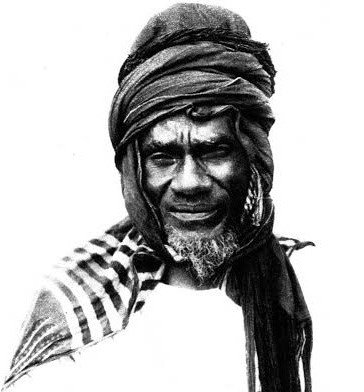
Sundiata Keitarose from exile and physical frailty to defeat the Sosso king Sumanguru Kante at the Battle of Kirina in 1235. Oral traditions preserved by African storytellers celebrate him as a warrior-king who united fragmented Mande peoples. His founding of the Mali Empire created the blueprint for West African empire builders for centuries.
He established the Gbara, one of Africa’s earliest constitutional assemblies and created a unified trade network that predated European mercantilism.
Image Source: globalafricantimes.com
3. Askia Muhammad (1493–1538) | Emperor of the Songhai Empire
Askia Muhammad seized power in the Songhai Empire and immediately set about building a model Islamic state. He standardised weights and measures, reformed taxation, and established professional bureaucracies. Historians rank him among the greatest administrators in African history, transforming Timbuktu into a beacon of learning.
He founded over 150 Quranic schools and supported universities in Timbuktu. He also extended the Songhai Empire to its greatest territorial reach.
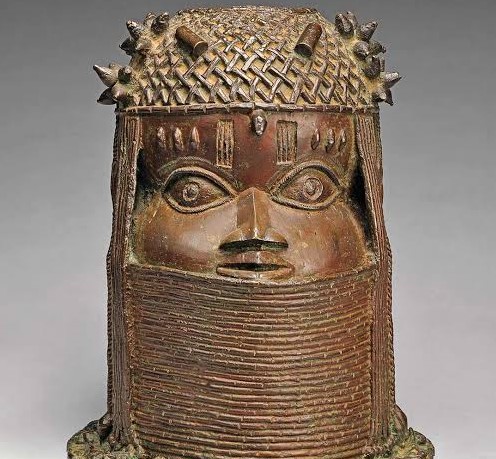
4. Oba Ewuare (1440–1473) | Oba of the Kingdom of Benin
Oba Ewuare transformed the Kingdom of Benin from a small chieftaincy into a formidable empire. He expanded the royal court, commissioned the famous Benin Bronzes, and built Benin City’s complex moat system. Experts in pre-colonial Africa regard Ewuare as the architect of Benin’s golden age of art and governance.
He also created the hereditary system of succession still respected in Benin today and commissioned bronze and ivory artworks now displayed in museums worldwide.
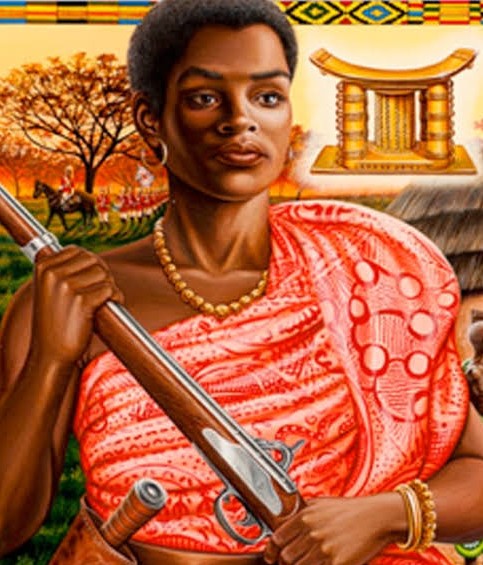
Yaa Asantewaaled the 1900 War of the Golden Stool, the last major anti-colonial resistance in the Ashanti Empire against British forces. When Ashanti chiefs hesitated, she declared: ‘If you men won’t do it, we women will.’ Her courage galvanised resistance and cemented her legacy as the defining warrior queen of West Africa.
She commanded an army of thousands against a modern colonial military, and she remains a pan-African symbol of women’s resistance and bravery.
Image Source: dangerouswomenproject.org
6. Samori Ture (1830–1900) | Founder of the Wassoulou Empire
Samori Turebuilt and twice rebuilt a powerful Mandinka empire while waging relentless anti-colonial resistance against French forces for nearly two decades. Military historians compare his tactical retreats and empire-building to Napoleon’s campaigns. He trained blacksmiths to manufacture rifles, demonstrating extraordinary ingenuity in the colonial era.
He held the French expansion at bay for 16 years through superior guerrilla tactics and unified diverse Mande peoples under a centralised administration.
7. Nana Asma’u (1793–1864) | Poet and Scholar, Sokoto Caliphate
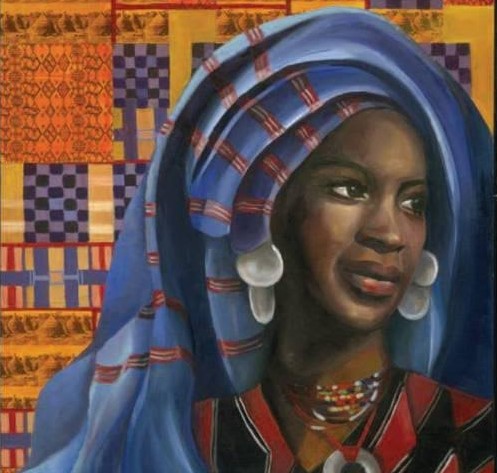
Nana Asma’uwas a poet, scholar, and educator who produced over 60 works in Arabic, Fulfulde, and Hausa. Daughter of Usman dan Fodio, she trained networks of women teachers, known as jajis, across the Sokoto Caliphate. She is counted among the most important historical West African figures in the history of women’s education.
She created a mobile school system that educated thousands of rural women. Her writings remain studied in Islamic academia across West Africa.
Image Source: muslimheritage.com
8. Kwame Nkrumah (1909–1972) | First President of Ghana
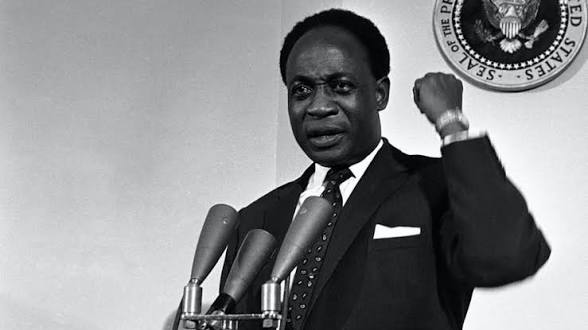
Kwame Nkrumahled Ghana to independence in 1957, making it the first sub-Saharan African nation to break free from colonial rule. A fierce advocate of Pan-Africanism, he hosted the 1958 All-African Peoples’ Conference, igniting independence movements across the continent. His vision of a united Africa continues to inspire policy and identity today.
Image Source: 1. www.bbc.com
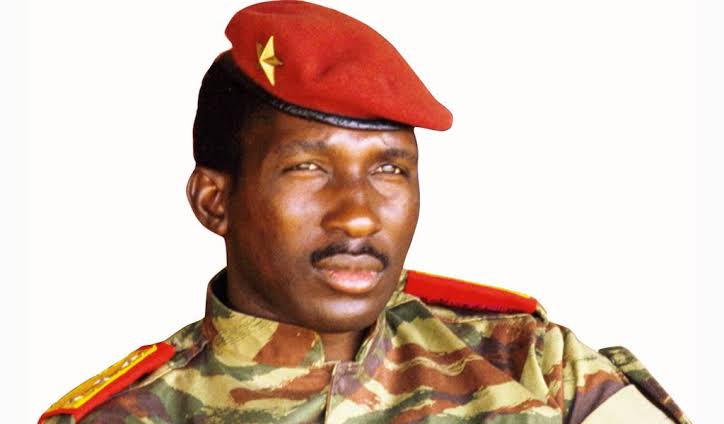
9. Thomas Sankara (1949–1987) | President of Burkina Faso
Thomas Sankaraled Burkina Faso with radical honesty and social vision during his four-year presidency. He renamed the country from Upper Volta, launched mass literacy campaigns, vaccinated millions of children, and planted ten million trees. A passionate Pan-Africanism advocate, he challenged international debt structures and championed African self-reliance.
He reduced corruption by slashing government salaries, including his own. His legacy of leadership inspires youth movements across Africa today.
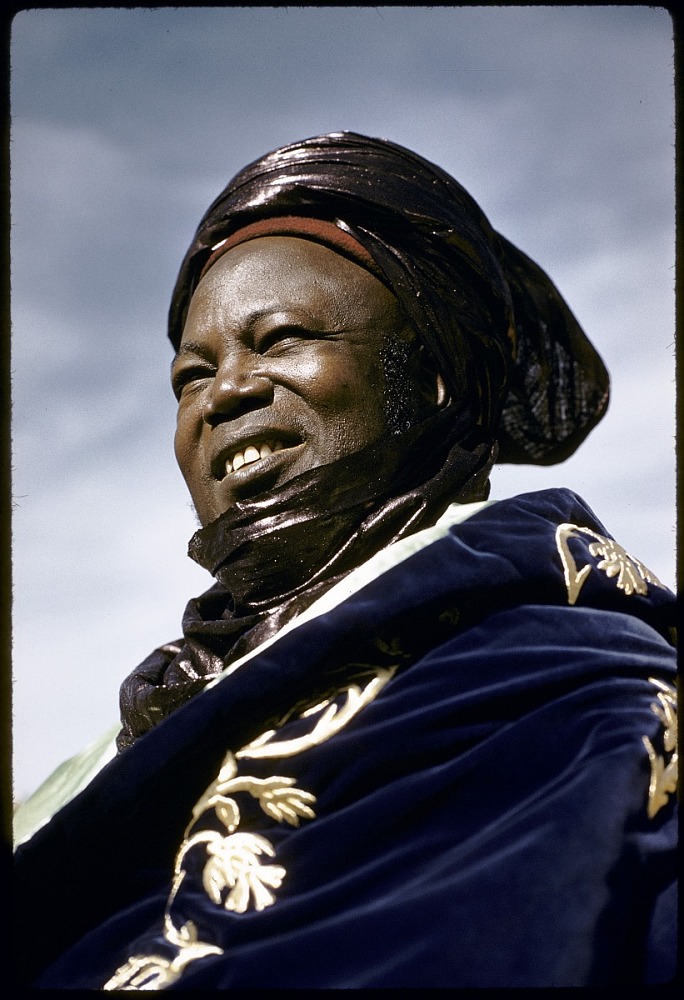
10. Ahmadu Bello (1910–1966) | Premier of Northern Nigeria
Ahmadu Bellowas the most powerful regional leader in post-independence Nigeria, serving as Sardauna of Sokoto and Premier of Northern Nigeria. A skilled diplomat and nation-builder, he worked to unify Nigeria’s diverse ethnic and religious groups. Historians regard him as one of the greatest leaders in West African History of the modern era.
He founded the Ahmadu Bello University and championed federalism as the path to Nigerian unity and stability.
Image Source: en.wikipedia.org
The historical leaders of West Africa are not relics; they are roadmaps. Mansa Musa’s economic mastery mirrors modern resource diplomacy. Yaa Asantewaa’s resistance echoes in today’s feminist movements. Kwame Nkrumah and Thomas Sankara’s visions of Pan-Africanism directly shaped the African Union and contemporary anti-debt movements.
Studying these leaders teaches lessons in coalition-building, cultural pride, and governance under pressure. As Africa’s youth inherit a continent rich in history, understanding the legacy of leadership these figures left behind is essential for building a confident, self-determined future.
Frequently Asked Questions
Who are the most important historical West African figures?
Experts consistently name Mansa Musa, Sundiata Keita, Yaa Asantewaa, and Kwame Nkrumah among the most important historical West African figures for their economic, military, and political impact.
Who are the famous West African leaders of the pre-colonial era?
Famous West African leaders from pre-colonial Africa include Askia Muhammad of the Songhai Empire, Oba Ewuare of Benin, and Sundiata Keita of Mali.
Which women are influential leaders in West African History?
Yaa Asantewaa and Nana Asma’u stand out as pioneering women, one a warrior queen, the other a scholar who built revolutionary education networks.
How did the Ghana Empire influence later West African leaders?
The Ghana Empire’s mastery of trans-Saharan trade routes established templates for wealth-building that Mansa Musa and Askia Muhammad later refined and expanded.
What is Pan-Africanism's connection to these leaders?
Pan-Africanism draws directly from independence movements led by figures like Kwame Nkrumah, who argued that only a united Africa could reclaim the dignity of its pre-colonial past.