The West African inventions that changed the world did not appear out of nowhere, they were created by advanced societies that had already mastered working with metals, developed their own writing-like symbols, and built impressive structures, often hundreds of years before Europe did the same.
Discoveries made by scientists and historians across various parts of West Africa continue to show that this region played a significant role in advancing human progress.
West African Inventions and Innovations That Changed the World
1. Iron Smelting
Few African innovations that changed history carry the same transformative weight as West Africa’s mastery of iron smelting. The Nok culture of present-day central Nigeria provides the oldest confirmed evidence, with iron-smelting sites dated to approximately 1000 BCE, predating the widespread adoption of iron technology in many parts of Europe by several centuries.
Nok furnaces were sophisticated structures that reached temperatures exceeding 1,200°C. Archaeologists excavating Nok sites have recovered slag heaps, clay blowpipes, and iron implements that reveal a mature, large-scale industry rather than isolated experimentation.
These communities were producing iron tools and weapons at a time when much of the ancient world still relied on bronze.
Read Also: 15 Most Romantic Cities in Africa Every Couple Should Know
2. Nsibidi Script
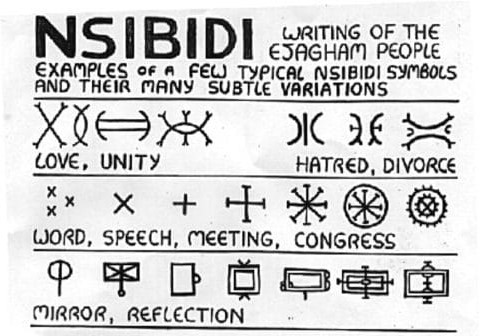
Long before European colonial administrators arrived claiming Africans had no writing, the Nsibidi script was already centuries old. Developed among the Igbo, Efik, and neighbouring communities of present-day south-eastern Nigeria and parts of Cameroon, Nsibidi is a system of symbols whose earliest confirmed use dates to the pre-5th century CE, with some scholars arguing its origins stretch considerably further back.
Nsibidi symbols encoded complex information, legal agreements, social hierarchies, declarations of love, messages of war, and the secret knowledge of powerful societies such as the Ekpe leopard society.
This was not primitive pictography; it was a codified communicative system understood across language barriers, serving as a lingua franca of symbolic communication across the Niger Delta communities.
3. Lost-Wax Bronze Casting
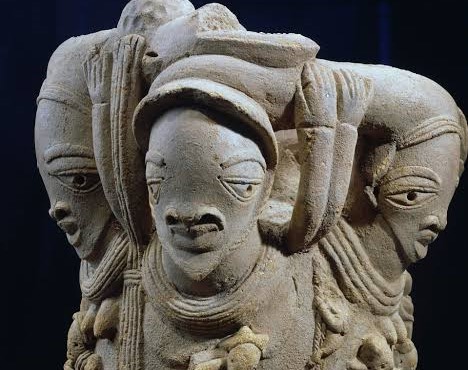
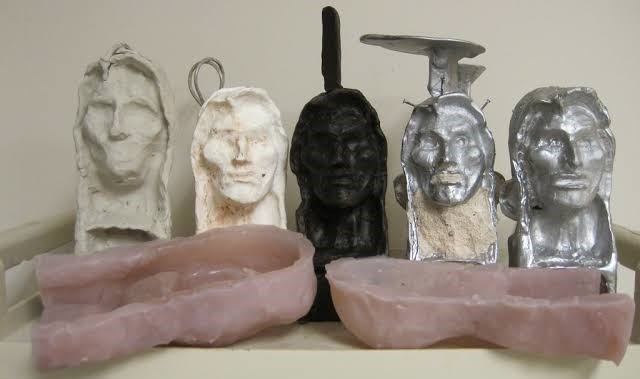
When Ife bronzes surfaced in Europe in the early 20th century, some scholars initially refused to believe they were African in origin. They were wrong. These bronze and brass heads produced by Yoruba artists of Ile-Ife, dated to between the 11th and 15th centuries CE, represent one of the supreme achievements in the history of world sculpture.
The lost-wax casting technique (known in French as cire-perdue) used in Ife requires a craftsperson to model a wax figure over a clay core, coat it in clay, heat the mold until the wax melts away, then pour molten metal into the resulting cavity.
The precision demanded, especially for the delicate striations and facial proportions of Ife portraiture rivals the finest renaissance metalwork produced in Italy roughly two centuries later.
4. Sahelian Mudbrick Architecture
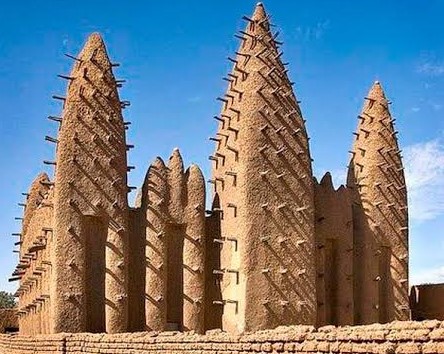
The Great Mosque of Djenné in present-day Mali is the largest mudbrick structure on Earth and a UNESCO World Heritage site, but it is more than a monument. It is the visible legacy of a West African architectural tradition stretching back to the 13th century CE, when the Mali Empire’s urban centres demanded buildings of both durability and climate intelligence.
Sahelian architecture developed across the Niger River civilizations of Mali, Burkina Faso, and Niger solved engineering problems that modern architects still study.
The thick earthen walls of structures like the Djenné mosque absorb daytime heat and release it slowly at night, providing natural temperature regulation without mechanical intervention. A system of collective maintenance with no equivalent in European architecture.
5. Akan Goldweights
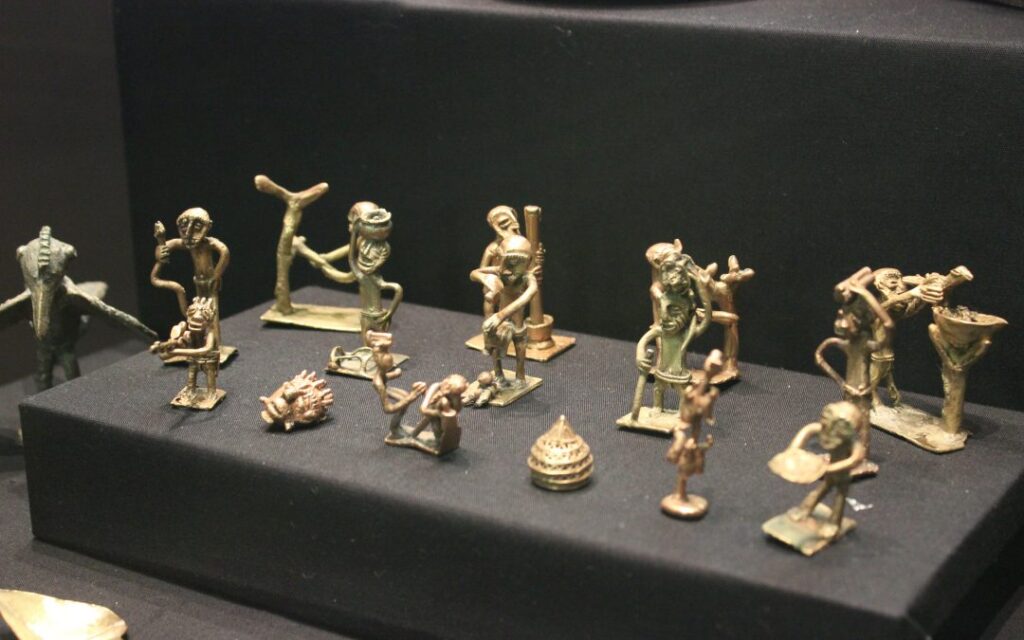
By the 15th century CE, the Akan people of present-day Ghana and Côte d’Ivoire had developed one of the world’s most elegant solutions to a universal commercial problem: how do you standardize trade across diverse markets? Their answer was the Akan goldweight system, a set of small, precisely cast brass weights used to measure gold dust, the primary currency of the Ghana Empire states.
West African mathematics supported the goldweight system. The weights conformed to standardized units, and merchants who deviated faced serious social and legal consequences.
African inventions and discoveries in economic standardization through the Akan goldweight tradition rank among the most innovative fiscal systems of the pre-modern world.
Read Also: 7 Types of Popular African Lace Patterns for Wedding and Events
The West African inventions that changed the world, Nok iron smelting, Nsibidi writing, Ife bronze casting, Djenné mudbrick architecture, and Akan goldweights collectively dismantled the myth of a continent without history. These West African contributions to the world are backed by archaeological evidence and demand their rightful place at the centre of global heritage narratives.
Frequently Asked Questions
What makes West African inventions significant in world history?
West African inventions are significant because they came from highly advanced civilizations that developed technologies in metalworking, trade, and architecture centuries before many other parts of the world. These innovations did not just stay in Africa — they influenced economies, cultures, and technologies across the globe, proving that Africa played a foundational role in shaping human progress
How did iron smelting in West Africa impact the world?
West Africans in the Nigerian highlands were smelting iron as far back as 1000 BCE, making them among the earliest iron workers in human history. This was a game-changing development because iron tools and weapons were stronger and more durable than stone or bronze ones. This advancement improved farming, warfare, and construction, helping communities grow and thrive at a much faster rate.
What were the Akan brass weights and why were they important?
The Akan brass weights were small, precisely crafted metal weights used by Akan traders in modern-day Ghana to measure gold dust during trade. They were important because they created a standardized and fair system of measurement, which brought order and trust to trade. This was an early example of a regulated economic system, showing that West Africans had sophisticated financial thinking long before modern banking existed.
How did West African symbolic communication systems contribute to human knowledge?
West African societies developed complex symbolic systems used to record history, pass down wisdom, and communicate ideas across generations. These systems, much like early writing, allowed knowledge to be preserved and shared without relying solely on spoken word. This contribution helped lay the groundwork for record-keeping and communication practices that are essential to civilization.
What does archaeological evidence tell us about West African civilizations?
Archaeological findings from across the Sahel region, the Niger River civilizations, and West Africa’s forest zones consistently show that these were not primitive societies — they were organised, creative, and technologically advanced communities. Evidence of iron furnaces, precision-crafted tools, architectural structures, and trade systems all point to a region that was actively driving human development, often centuries ahead of what was happening in other parts of the world.