I’m going to give you guys a breakdown of everything you need to know before you visit Kenya for free, because I genuinely want you guys to have the best experience. There are several things to know before visiting Kenya, from entry paperwork to health prep, and getting them right before you fly saves you time, money, and stress at Nairobi’s Jomo Kenyatta International Airport.
Grab a pen and paper to take notes on what every visitor should confirm before departure, including Kenya eTA visa requirements, whether Kenya is safe to visit, which Kenya travel vaccines matter, and the real cost of travelling to Kenya.
1. Kenya eTA visa requirements come first
Most non-African visitors need an Electronic Travel Authorisation before boarding their flight to Kenya. The eTA costs $30 and is applied for online at the official government portal. It typically arrives within 72 hours, though applying two weeks ahead is safer. As of July 2025, citizens of African Union countries can enter visa-free for stays up to 60 days.
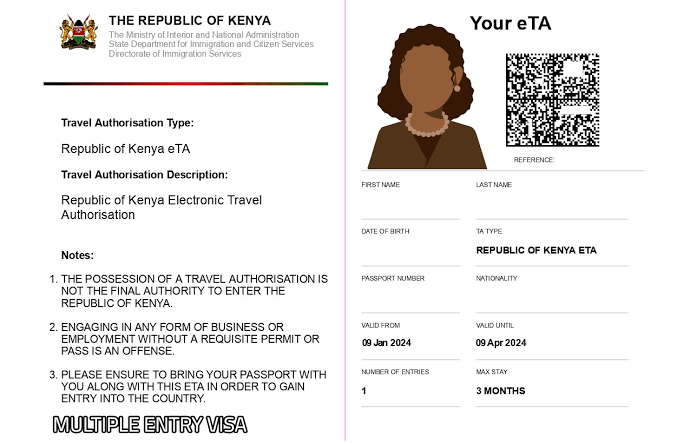
2. Apply for your eTA at least two weeks in advance
Rejections usually stem from unclear passport scans or mismatched details. Reapplying takes time, and airlines will deny boarding without an approved eTA, so build in a buffer before your travel date.
3. Is Kenya safe to visit? Yes, with sensible precautions
Kenya is safe to visit for the vast majority of travellers, especially in national parks, Nairobi’s main districts, and coastal resort areas. Government advisories flag a small number of higher-risk zones, including a 60-mile radius of the Kenya-Somalia border, Garissa County, and parts of Lamu County outside the main islands.
4. Kenya travel vaccines: Yellow Fever matters most
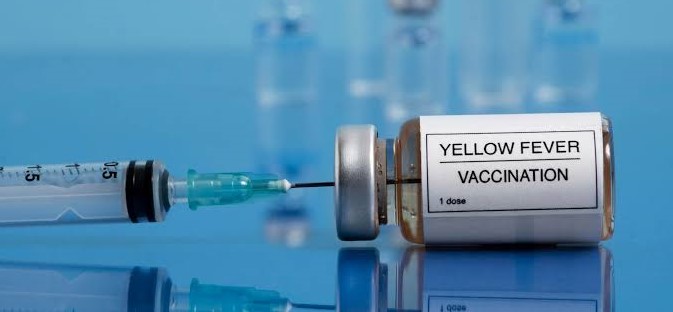
Kenya travel vaccines aren’t mandatory for direct flights from the US, UK, or Europe, but a Yellow Fever certificate is required if you’re arriving from or transiting through an endemic country for over 12 hours. Routine vaccines, including Hepatitis A, typhoid, and polio, are strongly recommended regardless of route.
5. Malaria prevention matters more than any vaccine
No vaccine prevents malaria, so prophylaxis is essential for coastal areas, Lake Victoria, and low-altitude safari regions. Malarone and doxycycline are common options; Nairobi and highlands above 2,500 meters carry minimal risk.
Read Also: 15 Best Places to Visit in Uganda (+ Tips for Planning Your Trip)
6. The cost of travelling to Kenya varies widely by style
Budget travellers can manage on $50-80 per day using matatus, hostels, and camping safaris, while mid-range trips with lodge stays run $200-400 daily. Luxury fly-in safari packages exceed $600 per day.
7. Budget for park fees separately
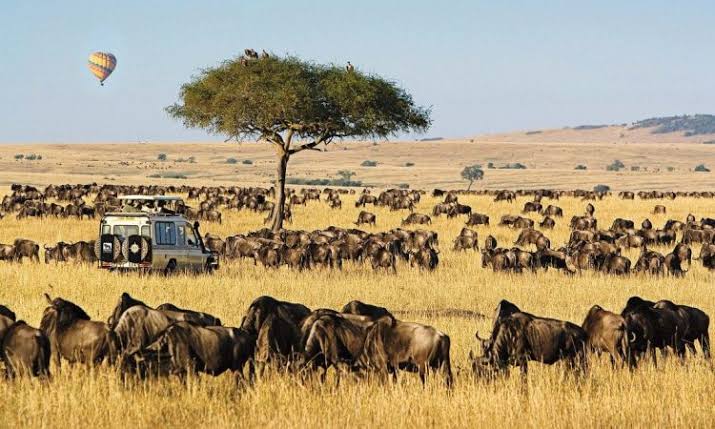
Masai Mara entry runs roughly $80 per adult per day under Kenya Wildlife Service rules. These fees are rarely bundled into flight or hotel costs.
8. Currency and cash habits
The Kenyan shilling is the local currency, and M-Pesa mobile money is used almost everywhere. Carry some cash for markets and tips.
9. Pack for both heat and cold
Early-morning safaris in the Mara can be near freezing, while coastal Mombasa stays hot and humid year-round. Layer with a fleece and a rain jacket.
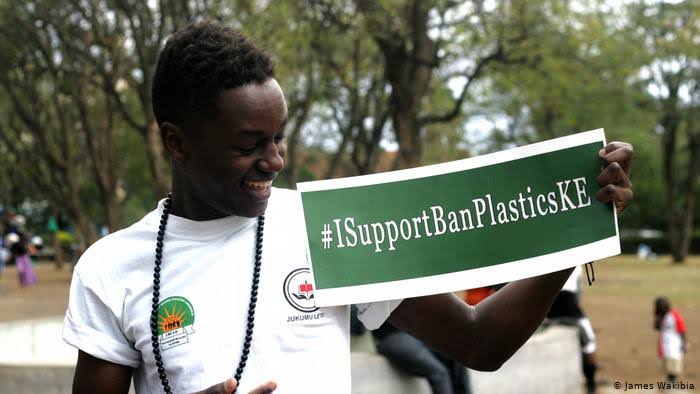
10. Kenya bans single-use plastics
Plastic bags have been banned nationwide since 2017, and single-use plastic bottles are banned inside national parks. Bring a reusable water bottle.
Read Also: Top 10 West African Festivals Perfect for Family Travel and Cultural Exploration
11. Tipping is expected but modest
Roughly 10% for good service and 200-300 Kenyan shillings per day for safari guides and porters is standard practice.
12. Water safety requires attention
Tap water isn’t recommended for drinking in most areas; stick to bottled or filtered water and avoid ice unless purified.
13. Getting around safely
Seatbelts, daylight travel, and avoiding unscheduled small aircraft all reduce risk. Self-drivers need an International Driving Permit.
14. Cultural etiquette matters, especially with photos
Always ask permission before photographing people, particularly in rural areas and Mombasa. Modest dress is appreciated, not strictly enforced.

Cost snapshot
Item | Estimated Cost |
Kenya eTA | $30 |
Yellow Fever vaccine | $100–200 |
Budget daily spend | $50–80 |
Mid-range daily spend | $200–400 |
Masai Mara park fee | ~$80/day |
Having this information will help you learn about all the things to know before visiting Kenya and make your trip easy, safe and fun. A little preparation goes a long way. Have fun and remember to share with your friends who wish to visit Kenya.
Frequently Asked Questions
Is Kenya safe to visit in 2026?
Yes, for most travellers, particularly in tourist zones and national parks, provided you avoid a small number of flagged border regions.
What are the Kenya eTA visa requirements?
A valid passport, a $30 fee, and an online application through the official portal, ideally submitted two weeks before travel.
Do I need Kenya travel vaccines to enter?
Only Yellow Fever is conditionally required, based on your prior travel history; other vaccines are recommended, not mandatory.