
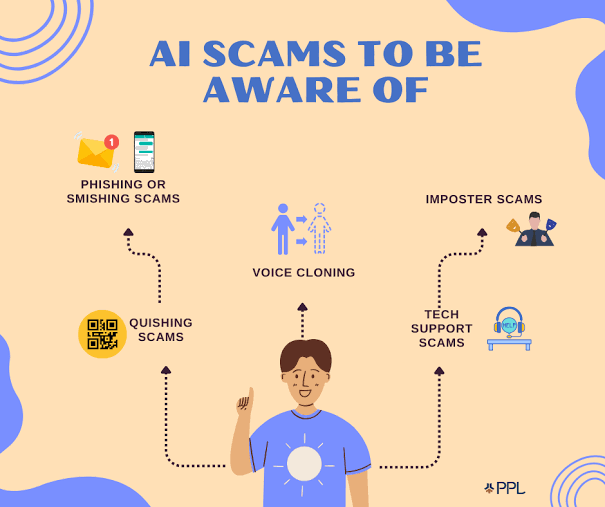
So picture this scenario with me: your bank calls to confirm a transfer you never made. Your cousin sends a voice note begging for urgent school fees. A recruiter invites you to a polished video interview for a job that does not exist. Each moment feels real, until it isn’t.
AI scams in Nigeria are quickly becoming one of the most searched and most serious digital threats facing the country today. As artificial intelligence tools become cheaper and easier to access, fraudsters are using them to build convincing scams that look, sound, and feel legitimate. Understanding how these scams work is now the first step in learning how to protect yourself from online fraud.
Why AI Scams in Nigeria Is a Growing Concern
Nigeria’s rapid shift toward mobile banking, e-commerce, and remote work has created fertile ground for online scams in Nigeria. Millions of transactions occur daily through fintech apps, social media marketplaces, and digital wallets, giving fraudsters more opportunities to exploit trust. Unlike older scams filled with spelling errors and obvious red flags, modern artificial intelligence fraud is polished, personalised, and difficult to detect by appearance alone.
Cybersecurity researchers have noted a sharp rise in AI-assisted fraud across West Africa over the past year, driven largely by the affordability of voice-cloning software and deepfake generators. What once required technical skill and expensive equipment can now be done with a smartphone and a few free applications. This accessibility is precisely why awareness campaigns around AI scams in Nigeria have become more urgent than ever, particularly for older adults and first-time internet users who may not recognise the newer tactics.
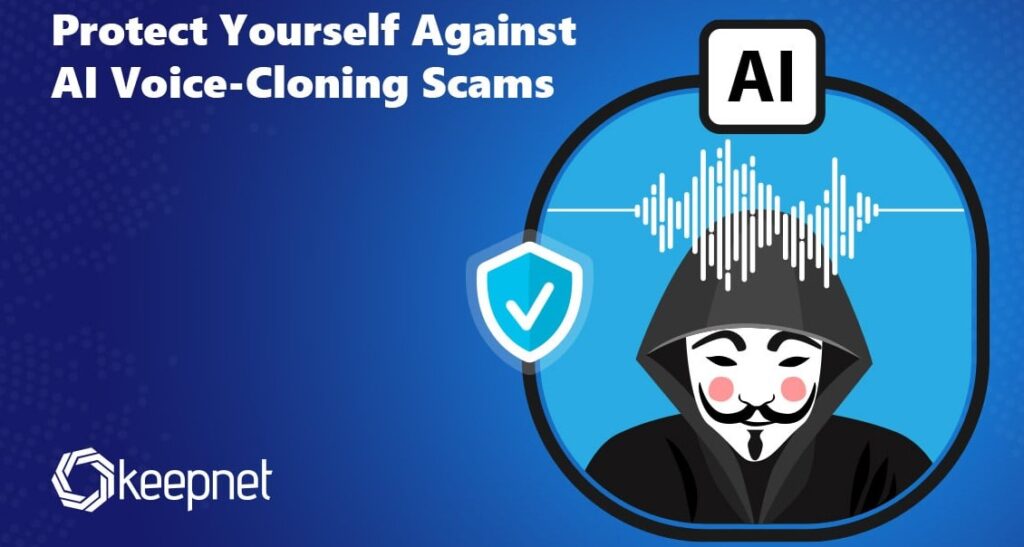
Voice Cloning: When a Familiar Voice Isn’t Real
Voice cloning tools can recreate a person’s voice using just a few seconds of audio pulled from social media or old phone calls. Scammers use these cloned voices to impersonate relatives, employers, or bank officials, creating panic and urgency. A frantic call claiming a loved one is in danger is designed to bypass careful thinking, and businesses are not exempt either, with executives increasingly targeted by calls that appear to come from senior colleagues requesting urgent wire transfers.
Scam hack: Always hang up and call the person back on a known number before sending money or sensitive information. Never treat a voice alone as proof of identity.
Read Also: Best Savings & Investment Apps in Nigeria (PiggyVest vs Cowrywise vs Kuda vs Alat)
Deepfake Videos and Fake Endorsements
Deepfake technology allows fraudsters to make public figures appear to endorse investment schemes, giveaways, or crypto platforms they never approved. These videos spread quickly across WhatsApp, TikTok, and Facebook before fact-checkers can respond. This is one of the clearest examples of AI scams in Nigeria evolving beyond text-based deception into visual manipulation.
Read Also: 8 Ancient West African Kingdoms That Shaped Global History

Phishing Emails That No Longer Look Suspicious
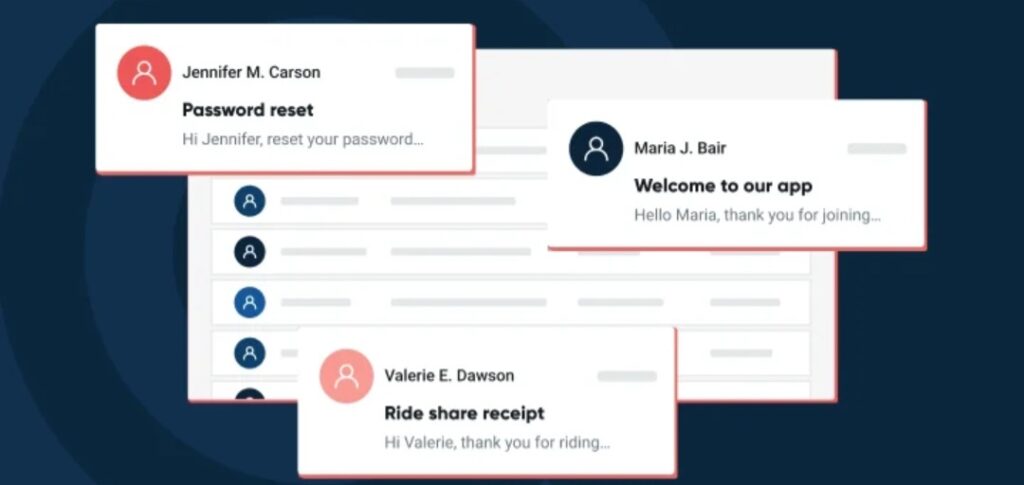
Phishing used to be easy to spot because of poor grammar and generic greetings. Today, generative AI produces professional, personalised emails referencing real names, workplaces, or recent purchases. This form of digital fraud increases the risk of identity theft, since a single click can expose banking credentials or personal data. Some messages even mimic the tone and formatting of trusted institutions so closely that even cautious users struggle to tell the difference without checking the sender’s actual email address.
Read Also: 10 Rising Fashion Designers Dominating West Africa
Fake Job Offers and Investment Platforms
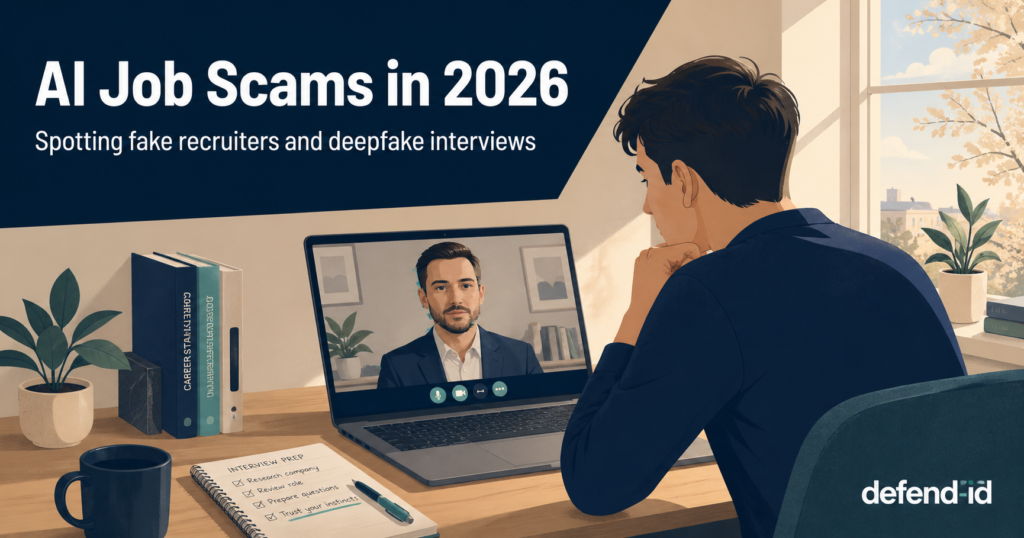
Nigeria’s competitive job market makes fake recruitment scams especially damaging. Fraudsters build realistic company websites and use AI chat systems to conduct fake interviews before requesting “processing fees.” Similarly, fake AI-powered investment platforms promise guaranteed returns through automated trading, preying on financial anxiety and fear of missing out. Genuine employers and licensed investment platforms never request upfront payment to secure a role or guarantee profit.
Common AI Scam Types at a Glance
Scam Type | How It Works | Red Flag to Watch For |
Voice Cloning | Recreates a familiar voice to request urgent money transfers | Pressure to act immediately without video confirmation |
Deepfake Videos | Fake celebrity or official endorsements of investments | Unverified links shared only through social media |
AI Phishing Emails | Personalised emails mimicking banks or employers | Slightly altered sender addresses or unusual links |
Fake Job Offers | AI-run interviews followed by fee requests | Any request for payment before employment starts |
Fake Investment Apps | Promises of guaranteed AI-driven trading profits | Unrealistic returns with no regulatory registration |
How to Protect Yourself from Online Fraud
Cybersecurity experts recommend building simple daily habits rather than relying on spotting obvious mistakes, since modern artificial intelligence fraud rarely looks suspicious at first glance. Practical steps include:
- Never send money based solely on a phone call or voice note.
- Verify urgent requests through a separate, trusted communication channel.
- Enable two-factor authentication on banking and email accounts.
- Avoid clicking links in unexpected emails; visit official websites directly.
- Research investment platforms and confirm regulatory registration before depositing funds.
- Download apps only from official stores and verified developers.
- Protect personal data on social media to reduce voice-cloning and deepfake risks.
- Report suspected scams to your bank and relevant cybersecurity authorities immediately.
What Search Engines and Experts Recommend
If you’re wondering how to protect yourself from online fraud in practical terms, the consistent advice from cybersecurity professionals is verification over trust. Confirm identities independently, question urgency, and treat unsolicited financial requests with scepticism regardless of how convincing they appear. This approach directly addresses the rise of social engineering tactics that now accompany AI-generated content.
Staying Ahead of AI Scams in Nigeria
Artificial intelligence is transforming banking, fintech, and communication across Nigeria for the better, but the same tools are being weaponised by criminals. The problem isn’t the technology itself; it’s how it’s misused. As online scams in Nigeria continue to evolve, staying informed and cautious remains the most reliable form of digital fraud protection.
A few extra minutes spent verifying a request could save your money, your data, and your peace of mind.
Frequently Asked Questions
How do AI scams work in Nigeria?
AI scams in Nigeria typically use voice cloning, deepfake videos, or AI-generated phishing messages to impersonate trusted people like relatives, bank officials, or employers and pressure victims into sending money or sharing personal information quickly, before they have time to verify the request.
How can I tell if a call or video is an AI-generated scam?
Common warning signs include urgent pressure to act immediately, requests for money or sensitive data without warning, slightly unnatural pacing or tone in audio, and refusal to confirm identity through a video call or a callback on a known number.
What should I do if I think I’ve been targeted by an AI scam?
Stop all communication immediately, avoid clicking any links or sending money, verify the request independently through a trusted channel, and report the incident to your bank and Nigeria’s relevant cybersecurity or law enforcement authorities.
Can two-factor authentication really stop AI-powered fraud?
Yes, two-factor authentication adds a critical second layer of verification, so even if a scammer obtains your password or personal details through AI-generated phishing, they still can’t access your account without the secondary code or device confirmation.