West Africa has long been the heartbeat of the continent’s soundscape, inspiring rhythms, melodies, and dance styles that have captivated the hearts of many across the world. West African music genres are not to be slept upon, unless you want to miss out on some of the best music genres. From established names to astounding newcomers, West Africa is home to a wealth of unique and talented artists.
West African Music Genres and the Artists Leading Them
1. Afrobeats
No conversation about popular music in West Africa is complete without mentioning Afrobeats. Emerging from Nigeria and Ghana, this genre fuses hip-hop, dancehall, highlife, and pop, creating an irresistible groove loved across the globe.
Some of its leading artists are:
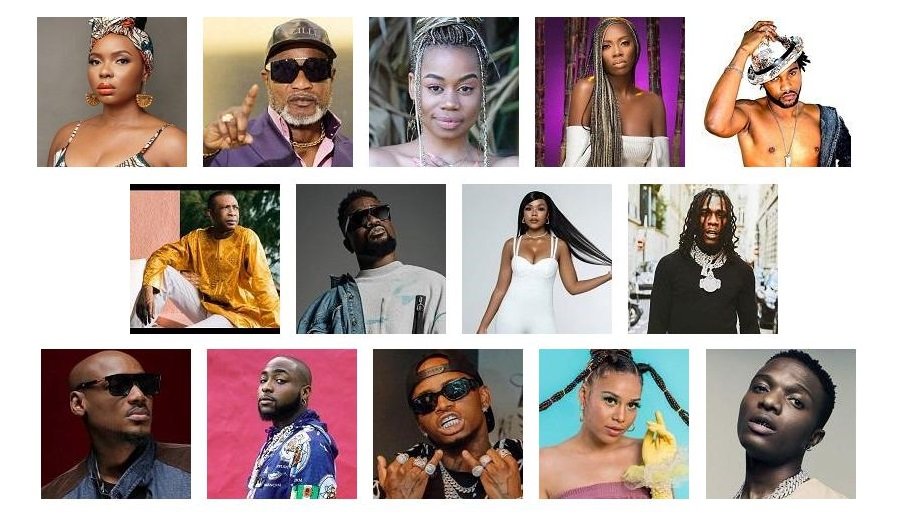
Burna Boy – known as the “African Giant”- has elevated Afrobeats to international stages, winning Grammy awards and spreading African pride through his music.
Wizkid – with hits like Essence and Ojuelegba, Wizkid embodies the smooth and vibrant essence of Afrobeats.
Davido – his catchy anthems and energetic performances have made him a global ambassador of this genre.
Afrobeats represents the modern pulse of West African music genres, uniting the continent and the diaspora through rhythm and storytelling.
Image Source: newsroom.spotify.com
2. Highlife
Before Afrobeats, there was Highlife music, a cornerstone of traditional West African music. Originating from Ghana in the early 20th century, Highlife combines brass instruments, guitar melodies, and jazzy rhythms.
Some of its leading artists are:
E.T. Mensah – often called the “King of Highlife,” he pioneered the sound that shaped modern African music.
Nana Ampadu – his storytelling approach and melodic flow made him a Highlife legend.
Today, younger artists like Kuami Eugene and Kofi Kinaata are reviving Highlife, blending it with modern Afrobeats and pop sounds.
Rooted in Yoruba Islamic traditions, Fuji music evolved from the early street music called Were, played to wake people for fasting during Ramadan. It blends chants and local instruments to create a spiritual yet energetic rhythm.
Some of its leading artists are:
Wasiu Ayinde Marshall (K1 De Ultimate) –modernised Fuji and took it to international stages.
Saheed Osupa and Pasuma Wonder represent the new generation of Fuji, blending it with hip-hop and pop for younger audiences.
Fuji remains one of the most energetic West African music genres, thriving in Nigeria’s music scene and influencing other African styles.
Image Source: www.facebook.com
4. Afrobeat
Not to be confused with Afrobeats, Afrobeat (singular) is a powerful blend of jazz, funk, and traditional African rhythms. Created by the legendary Fela Kuti, Afrobeat became both a musical and political movement in the 1970s.
Some of its leading artists are:
Fela Kuti – the father of Afrobeat, known for hits like Water No Get Enemy and Zombie.
Femi Kuti and Seun Kuti – continue to preserve and modernise their father’s legacy, making Afrobeat relevant to a new generation.
Afrobeat remains an integral part of traditional West African music, inspiring global genres like funk, soul, and reggae.
Image Source: musicorigins.org
5. Hiplife
Hiplife was created in Ghana as a blend of Highlife melodies and hip-hop beats. It captures urban youth culture, street slang, and African storytelling.
Some of its leading artists are:
Reggie Rockstone – known as the “Godfather of Hiplife,” he pioneered the genre in the 1990s.
Sarkodie – a global rap icon, his fast-paced rhymes and smart wordplay have elevated Hiplife and Ghanaian music to global recognition.
This blend of modern beats and African roots keeps popular music in West Africa both contemporary and deeply rooted in culture.
Jujumusic is a form of traditional West African music deeply rooted in Yoruba culture. It incorporates talking drums, guitars, and percussion, creating a sound both spiritual and celebratory.
Some of its leading artists are:
King Sunny Adé – known worldwide as the “Minister of Enjoyment,” he brought Juju to international audiences.
Chief Ebenezer Obey – his gospel-infused Juju style remains a classic in Nigerian music.
Juju continues to influence modern Nigerian artists who mix its elements with Afrobeats and pop.
Image Source: www.deezer.com
7. Mandé Music
From Mali and Guinea comes the soulful Mandé music, rooted in centuries-old storyteller traditions. It features the kora (a 21-string harp-lute) and balafon (wooden xylophone).
Some of its leading artists are:
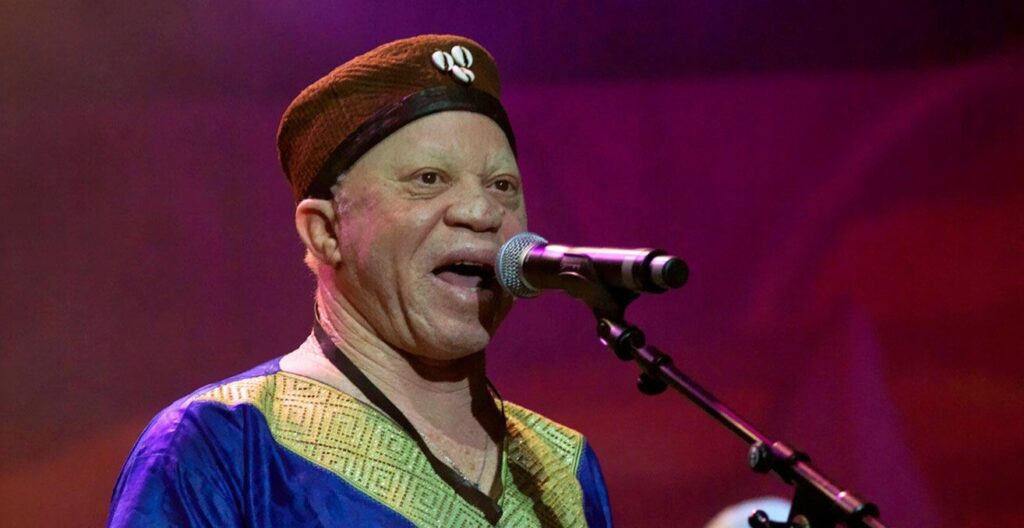
Salif Keita – known as the “Golden Voice of Africa,” his soulful performances celebrate Mandé heritage.
Toumani Diabaté – a world-class kora player, preserving ancient sounds while collaborating with modern musicians.
This genre highlights how traditional West African music serves as both art and historical record.
Image Source: www.britannica.com
8. Gqom
Although originally from South Africa, Gqom has taken root in West African music genres, especially among youth in Nigeria and Ghana. Its deep bass and electronic rhythms dominate clubs and festivals.
Some of its leading artists are:
DJ Neptune and Mr Eazi have infused Gqom-inspired beats into Afrobeats, creating a new hybrid sound that defines popular music in West Africa today.
Image Source: www.concertaddicts.com
9. Gospel
Religion and rhythm often intersect in West Africa, producing an emotionally powerful gospel music tradition. From church choirs to stadium concerts, gospel blends spiritual messages with Afrobeat and Highlife tones.
Some of its leading artists are:
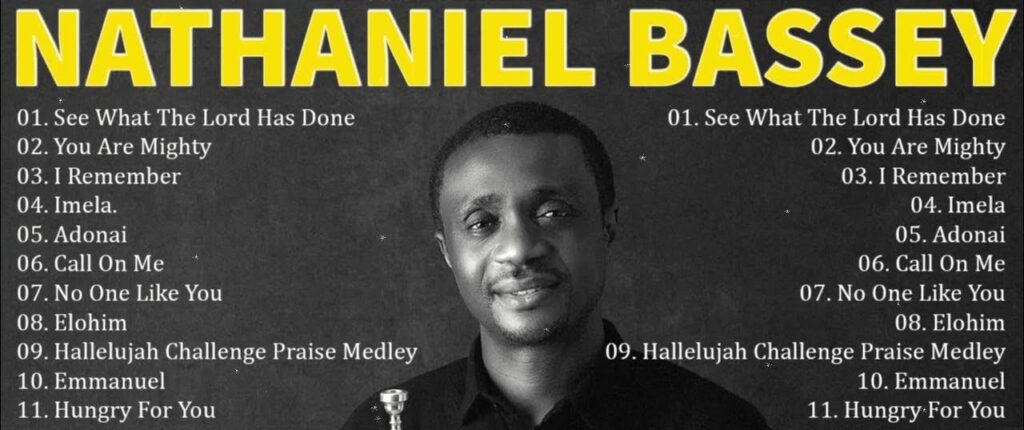
Sinach and Nathaniel Bassey – Nigerian gospel icons whose music inspires millions across Africa.
Joe Mettle – Ghana’s leading gospel artist, merging worship with contemporary African beats.
Gospel stands as one of the most uplifting West African music genres, uniting faith and melody.
Every country in West Africa has its unique folk music traditions, from the talking drums of Nigeria to the balafon of Burkina Faso. These ancient sounds preserve cultural identity and community spirit.
Some of its leading artists are:
Oumou Sangaré (Mali) – blends folk with feminist messages and world music flair.
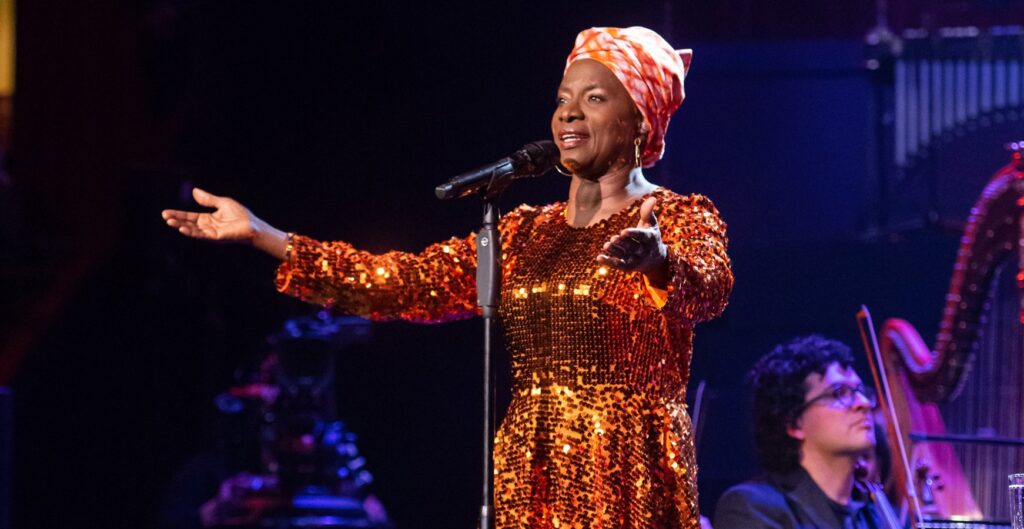
Angelique Kidjo (Benin) – a top African music artist whose global career celebrates African folk and modern fusion.
Traditional folk continues to influence every form of popular music in West Africa, reminding listeners of the continent’s deep roots.
Image Source: www.kidjo.com
Frequently Asked Questions
What are the most popular music genres in West Africa today?
The most popular West African music genres include Afrobeats, Highlife, Juju, Fuji, Hiplife, Mande music, Gqom, Gospel and Traditional Folk music. Each genre reflects the rich cultural diversity of the region. For example, Afrobeats dominates modern playlists thanks to artists like Burna Boy, Wizkid, and Davido, while Highlife remains timeless through legends like Nana Ampadu and E.T. Mensah.
Which West African artists are leading the global music scene?
Top African music artists from West Africa, such as Burna Boy, Wizkid, Tems, Angelique Kidjo, Davido, and Yemi Alade, have brought the region’s sound to the world stage. Burna Boy’s Grammy win and Wizkid’s international collaborations highlight how West African music genres like Afrobeats and Highlife now influence global pop culture.
How is traditional West African music influencing modern sounds?
Traditional West African music plays a major role in shaping today’s hits. Rhythms, drum patterns, and storytelling from indigenous sounds like Talking Drum music, Griot singing, and Djembe beats inspire modern producers. Genres such as Afro-Fusion and Afrobeat blend these roots with electronic sounds, preserving heritage while keeping the music fresh and modern.
What makes Afrobeats and Highlife music so special in West Africa?
Afrobeats and Highlife music are the heartbeat of popular music in West Africa. Highlife originated in Ghana, mixing brass bands and African rhythms, while Afrobeats, born in Nigeria, adds hip-hop, reggae, and dancehall elements. Their upbeat tempos, powerful percussion, and joyful lyrics make them perfect for dance floors and global radio charts alike.
Why is West African music gaining worldwide recognition?
West African music is gaining massive global attention due to its vibrant beats, rich cultural stories, and the international success of its artists. Streaming platforms, social media, and collaborations with Western artists have helped genres like Afrobeats and Afro-Fusion reach audiences from New York to Tokyo. The movement celebrates African pride and creativity, making it one of the most exciting sounds in the world today.