When people think of world history, they often picture the Roman Empire, the Great Wall of China, or the Pharaohs of Egypt. Yet, some of the most powerful African kingdoms thrived in West Africa, influencing trade, culture, and even global development. The history of West African kingdoms is rich in stories of innovation, wealth, and leadership that deserve acknowledgement.
West African Kingdoms That Shaped Global History
1. The Ghana Empire
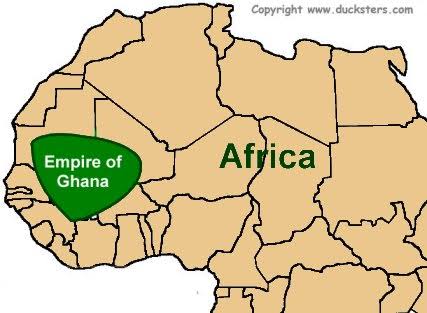
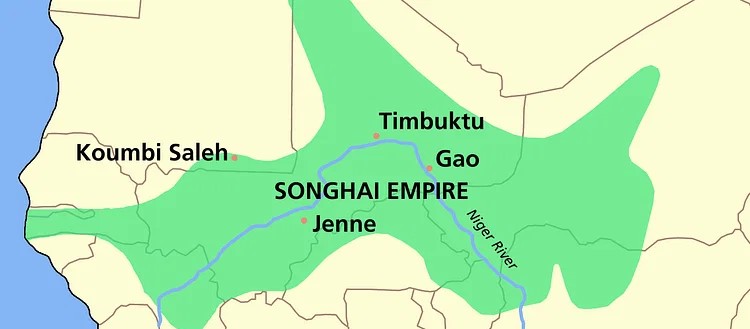
The Ghana Empire was a powerful medieval trading empire, known as the “land of gold”, flourishing from about the 7th to the 13th century. The Ghana Empire is not a modern country, but an ancient empire located in the present-day south-eastern Mauritania and western Mali, and is often considered the first of the great West African kingdoms.
Rising around the 7th century, it grew wealthy from controlling the gold, salt and trade across the Sahara. Arab traders frequently described the Ghana Empire as one of immense riches. The empire’s capital, Koumbi Saleh, was a thriving city with impressive stone structures and lively markets.
Its legacy laid the foundation for future empires and introduced the world to West Africa’s role in global commerce.
2. The Mali Empire
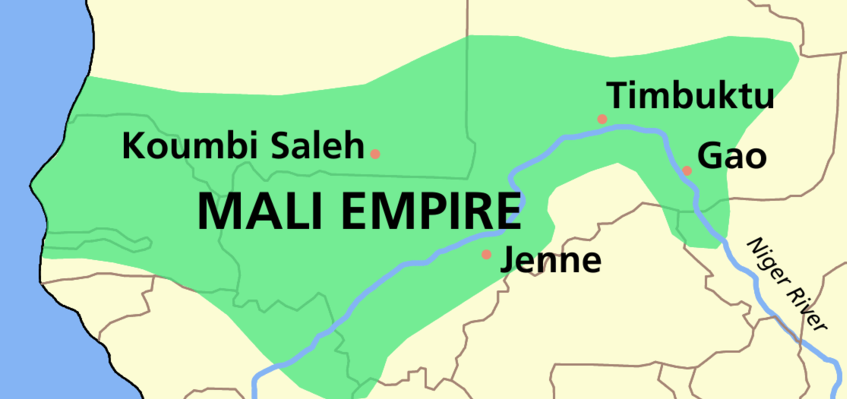
The Mali Empire was a vast and rich West African empire that emerged in the 13th century and existed until the 17th century, building on the decline of Ghana. It quickly became one of the most powerful African kingdoms in history.
Founded by Sundiata Keita around 1230 CE and under the leadership of Mansa Musa, often called the richest man in history, Mali reached extraordinary wealth and fame. Mansa Musa’s legendary pilgrimage to Mecca in 1324 dazzled the world with gold and generosity, putting Mali on global maps.
The city of Timbuktu, part of Mali, became a hub of learning, trade, and religion. It housed the famous University of Sankore, attracting scholars from across Africa and the Middle East.
Also Read: Top 10 African Festivals You Can Attend as a Tourist
3. The Songhai Empire
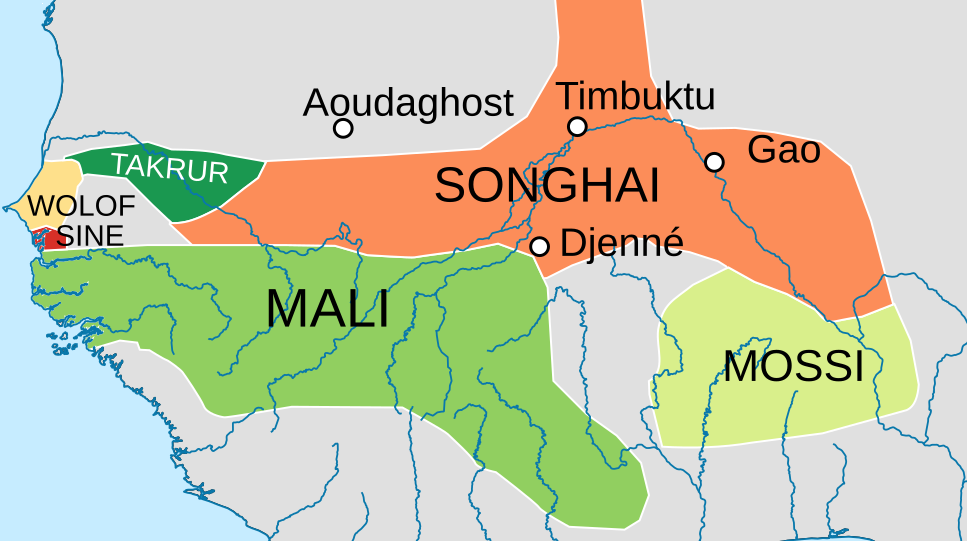
As Mali’s power declined, the Songhai Empire rose to dominance in the 15th -16th century. It became one of the largest states in African history, stretching across much of West Africa.
Songhai’s capital, Gao on the Niger river, thrived as a centre of commerce through trade and agriculture, and through its leaders like Sunni Ali and Askia Muhammad expanding its reach, allowing it to absorb the declining Mali empire, while also strengthening its Islamic scholarship.
The empire’s efficient bureaucracy and military power ensured control of trade routes and stability across its vast lands. In many ways, Songhai represented the peak of centralised authority in West African history.
4. The Kanem-Bornu Empire
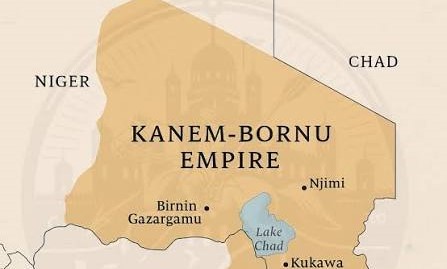
Stretching over a thousand years from the 9th to the 19th century, the Kanem-Bornu Empire, located around the present-day Chad, Niger, Nigeria, and Cameroon, was one of the longest-lasting ancient West African kingdoms.
Known for its strong Sefuwa dynasty, military and strategic location, Kanem-Bornu controlled vital Saharan trade routes. Its rulers embraced Islam early, forging connections with North Africa. Central Africa and the Middle East.
Bornu, the later stage of the empire, thrived well into the 19th century, making it one of the most enduring examples in the history of West African empires.
5. The Benin Kingdom
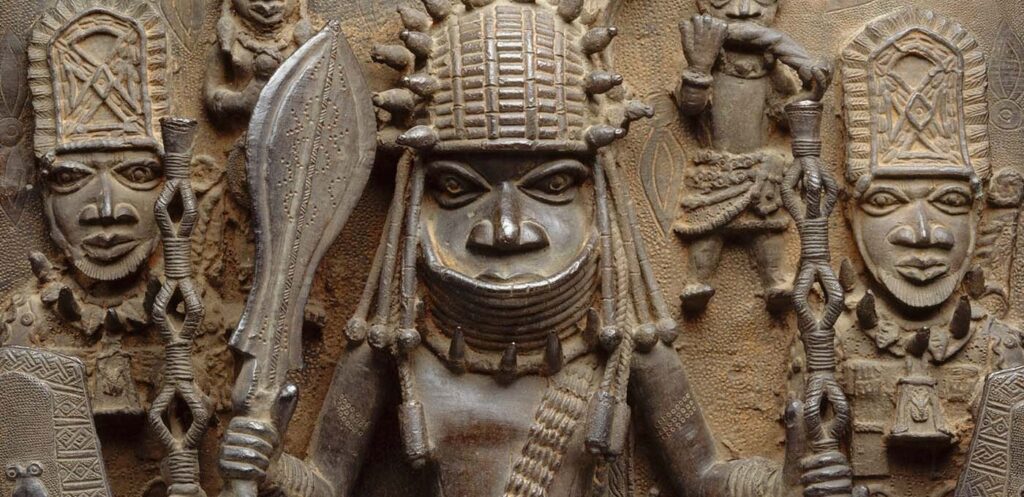
Unlike many empires that flourished mainly because of trade, the Benin Kingdom became famous for its artistry, political system, and architecture.
Located in modern-day Nigeria, Benin developed around the 11th century by the Edo people and became known for its exquisite bronze and ivory artworks, many of which are preserved in museums worldwide today.
The Benin Kingdom’s organised governance and the building of massive walls around Benin City highlighted its advancement. It stood as a reminder that powerful African kingdoms excelled not just in wealth, but also in culture and creativity.
Also Read: The Growth of Traditional Clothing in West African Societies
6. The Oyo Empire
The Oyo Empire, which thrived between the 16th and 18th centuries in present-day Nigeria, was one of the strongest Yoruba states in West African history.
Its power rested on a sophisticated cavalry and strong trade networks, including the Atlantic slave trade. Oyo also had a unique system of checks and balances between the king, known as Alaafin, and a council of nobles, known as the Oyo Mesi, showcasing an advanced political organisation.
Through its cultural influence, Oyo helped shape Yoruba traditions that remain vibrant today across Africa and the African diaspora.
7. The Mossi Kingdoms
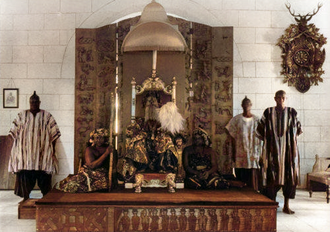
In what is now Burkina Faso, the Mossi Kingdoms emerged around the 13th century. They were a group of powerful, decentralised states. The largest Mossi kingdom was that of Ouagadougou and had a king known as Mogho Naaba, who ruled over all of the Mossi. The different kingdoms’ consolidation of political and military power helped place them as a power figure on the continent.
Unlike many other ancient West African kingdoms, the Mossi resisted Islamization for centuries, maintaining their traditional belief systems.
They became known as fierce warriors who held their ground against both the Mali and Songhai empires. Eventually, they adapted Islam into their culture but retained much of their independence, making them a unique part of the history of West African empires.
8. The Dahomey Kingdom
The Dahomey Kingdom, located in modern-day Benin, rose in the 16th – 19th century and became infamous for its military strength and disciplined all-female regiment, often called the “Dahomey Amazons.”
Dahomey thrived on trade, particularly along the Atlantic coast, with its involvement in the transatlantic slave trade, selling captives to Europeans for weapons to fund further expansion and sustain the monarchy.
The kingdom featured a strong centralised government and a complex taxation system. Its resilience, military discipline, and cultural influence shaped West African history deeply.
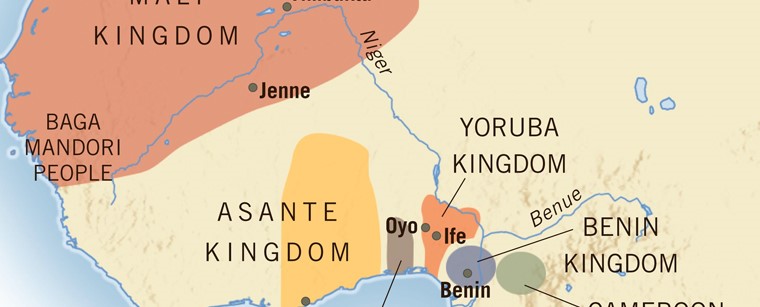
The legacy of these 8 Ancient West African Kingdoms reminds us that history is richer and more diverse than often told. They were centres of knowledge, trade, and culture that shaped the course of global history.
By revisiting their stories, we uncover a proud heritage of strength and creativity that continues to inspire Africa and the world today.
Frequently Asked Questions
What are the 8 Ancient West African Kingdoms that shaped global history?
The 8 Ancient West African Kingdoms are: Ghana Empire, Mali Empire, Songhai Empire, Kanem-Bornu, Benin Kingdom, Oyo Empire, Mossi Kingdoms, and Dahomey Kingdom. These kingdoms were centres of trade, culture, and political power, influencing not just Africa but global commerce and culture.
Why was the Mali Empire important in West African history?
The Mali Empire was significant because of its wealth, learning centres, and trade networks. It controlled the gold and salt trade routes, and under Mansa Musa, it became one of the richest empires in world history. The city of Timbuktu also rose as a hub of Islamic scholarship and global knowledge.
How did the Ghana Empire contribute to global trade?
The Ghana Empire (not to be confused with modern Ghana) was one of the earliest powerful states in West Africa. It controlled trans-Saharan trade routes, trading gold, salt, and ivory with North Africa and the Mediterranean. This made Ghana a crucial link between West Africa and the wider world.
What role did the Benin Kingdom play in art and culture?
The Benin Kingdom is famous for its bronze and ivory artworks, which are considered masterpieces of African art. These artworks documented history, religion, and royal power. They were so advanced that when Europeans first encountered them, they were astonished by their detail and craftsmanship.
Which ancient West African kingdom had the strongest military influence?
The Oyo Empire and the Dahomey Kingdom were renowned for their strong military traditions. The Oyo Empire built one of the largest cavalry forces in West Africa, while Dahomey became known for its fierce all-female military regiment, later referred to as the Dahomey Amazons.