Over 80% of West Africa’s original forest has disappeared. What remains shelters some of the most extraordinary and most endangered animals on Earth. These are not creatures you will find on every continent or even across Africa as a whole. These are animals found only in West Africa, having evolved over millennia in the dense canopies and river systems of the Upper Guinea forest, which is now vanishing faster than scientists can study them.
9 Endangered Animals Found Only in West Africa
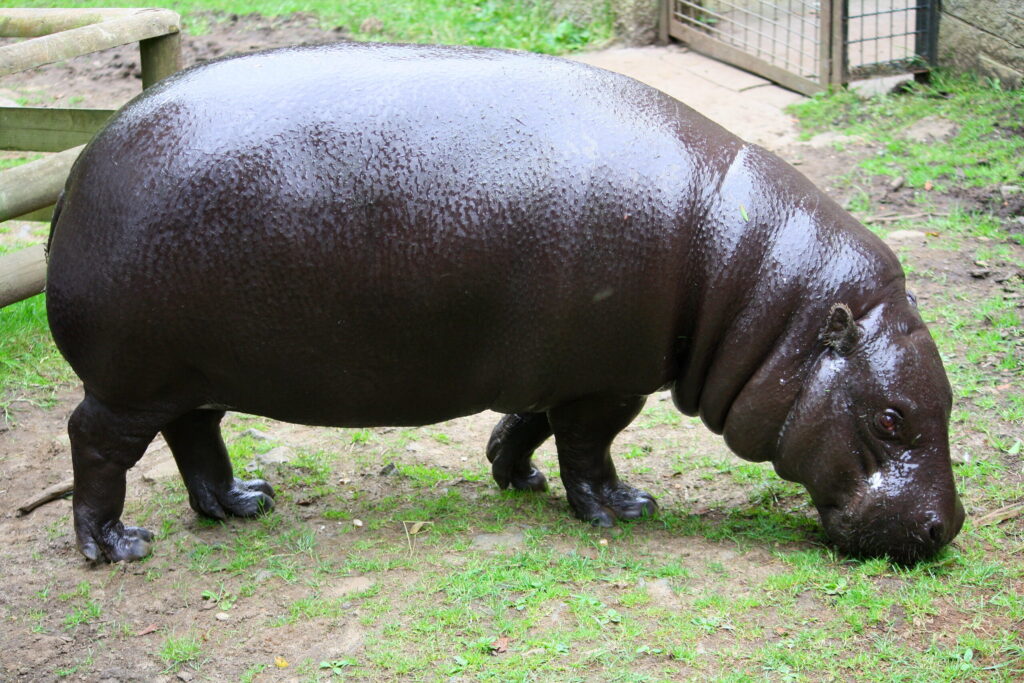
1. Pygmy Hippopotamus
Found in Liberia, Sierra Leone, Guinea, and Côte d’Ivoire, fewer than 2,500 pygmy hippos remain in the wild. Nocturnal and deeply shy, they are losing ground to deforestation and illegal hunting. The Libassa Wildlife Sanctuary in Liberia now operates a captive breeding and community education program, which has led to measurable population stabilisation in protected areas.
Image Source: en.wikipedia.org
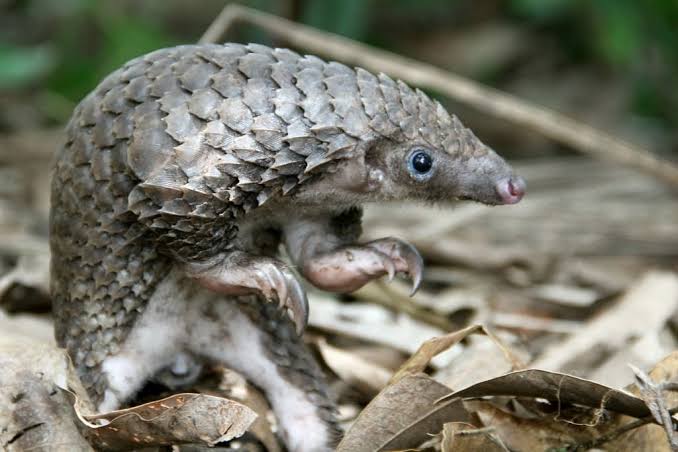
2. White-Bellied Pangolin
This tree-dwelling pangolin is one of the most trafficked mammals on Earth. Pangolin scales poaching has devastated populations across West Africa. The African Pangolin Working Group trains anti-poaching ranger programs specifically targeting pangolin trafficking networks, with interception rates increasing by over 30% in monitored areas since 2020.
Image Source: wildness.org
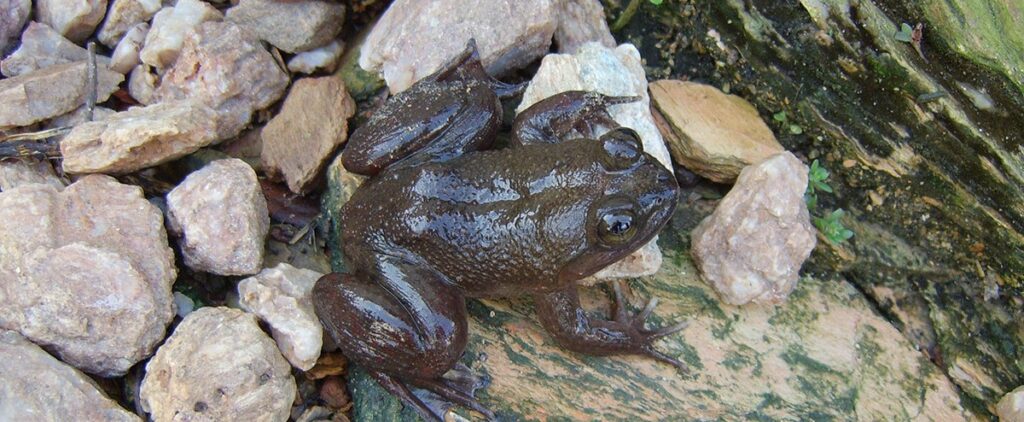
3. Togo Slippery Frog
Critically Endangered and found only in highland streams of Togo and Ghana, this amphibian is so rare that fewer than 250 mature individuals are estimated to survive. Habitat destruction from farming and water diversion is the primary killer. The Ghana Wildlife Society has launched targeted stream protection and community stewardship programs in key watersheds.
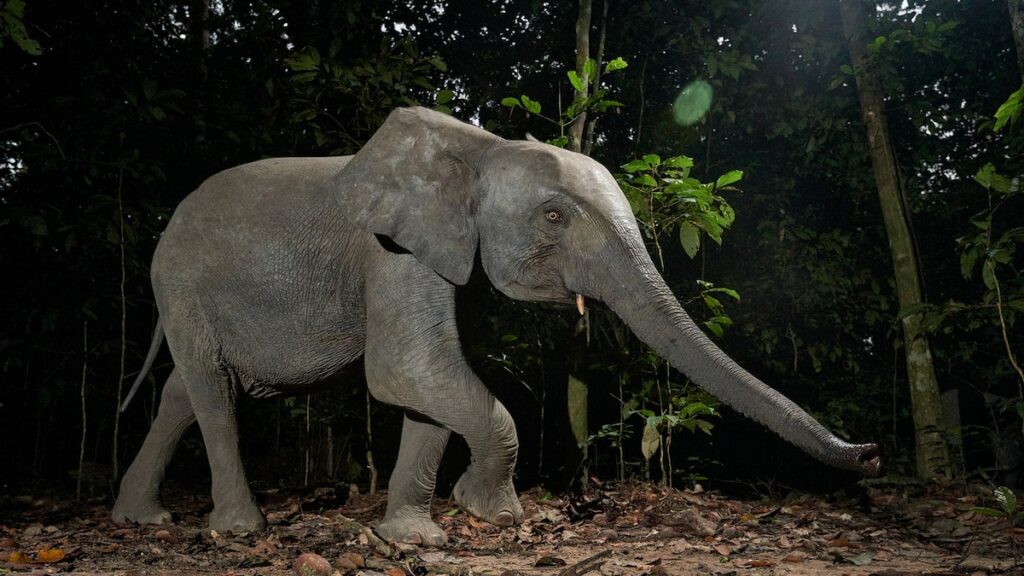
The forest elephant is genetically distinct from its savanna cousin and faces a critical threat from ivory poaching and logging. Populations in the Upper Guinea forest have declined by over 60% in three decades. Wildlife corridors connecting Taï National Park in Côte d’Ivoire to protected areas in Liberia are being restored through reforestation initiatives funded by international conservation coalitions.
Image Source: www.nationalgeographic.com
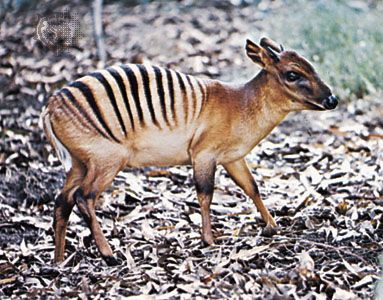
5. Zebra Duiker
This striking striped antelope is endemic to the Upper Guinea forest and is heavily targeted by the bushmeat trade. Community-led conservation agreements in Liberia where villages formally commit to hunting bans in exchange for alternative livelihood support have shown early success in reducing local hunting pressure.
Image Source: www.britannica.com
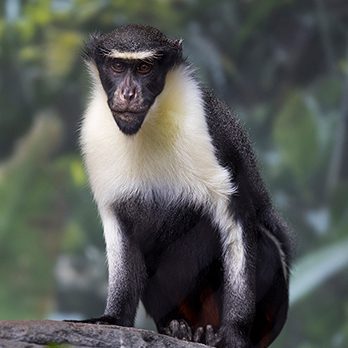
6. Diana Monkey
Named for the Roman goddess of the hunt, the Diana monkey is itself hunted relentlessly across Ghana and Côte d’Ivoire. It serves as a crucial seed disperser for forest regeneration. Sanctuaries within Taï National Park provide refuge, and endemic bird species sharing its habitat benefit simultaneously from the same protections.
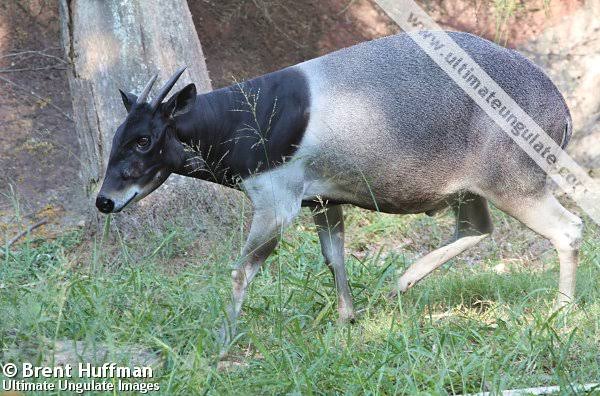
One of the rarest antelopes in the world, Jentink’s Duiker survives in fragments of Liberia and Sierra Leone. Experts at the IUCN recommend implementing protected area management strategies tailored to this species’ restricted range.
Image Source: www.ultimateungulate.com
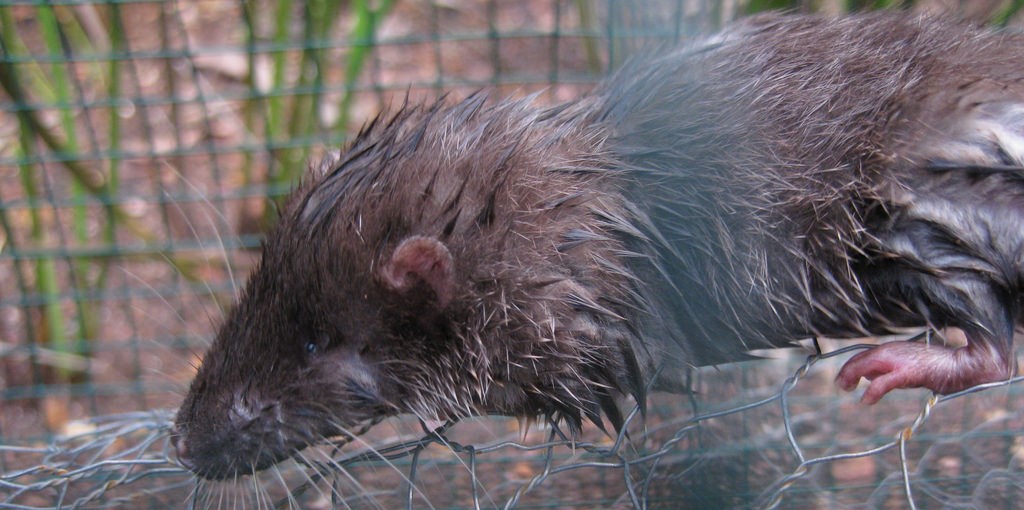
8. Nimba Otter Shrew
Found only in the Nimba Mountains straddling Guinea, Liberia, and Côte d’Ivoire, this aquatic insectivore is being crushed by iron ore mining activity. UNESCO World Heritage protections cover part of its range, but enforcement remains inconsistent and critically underfunded.
Image Source: animals.fandom.com
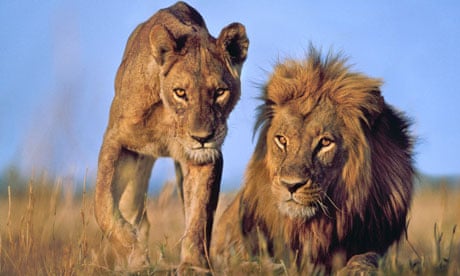
9. West African Lion
Fewer than 400 West African lions remain. This is a genetically distinct subpopulation more closely related to Asian lions than to southern African populations. Human-wildlife conflict is the defining threat, as lions prey on livestock and are killed in retaliation. Compensation schemes run by NGOs in Nigeria and Senegal are reducing retaliatory killings.
The most effective West African wildlife conservation happens in villages. Community-led conservation models in Liberia, Ghana, and Guinea have demonstrated that when local people own conservation outcomes, results follow. In the Gola Rainforest in Sierra Leone, the RSPB partnered with local communities to co-manage 71,000 hectares, reducing deforestation rates by over 50% within five years. These are rare animals in West Africa being saved by the people who live alongside them, not despite them.
The rare animals in West Africa are not lost yet. Every wildlife corridor restored, every community ranger trained, every hectare of forest replanted is a decision made in favour of life. West African endangered species need consistent global attention, not just viral moments. We have the knowledge, the tools, and the partnerships. What remains is will.
Frequently Asked Questions
What is the most endangered animal found only in West Africa?
The Togo Slippery Frog is arguably the most critically endangered animal endemic to West Africa, with fewer than 250 mature individuals estimated to remain in the wild. Found exclusively in the highland streams of Togo and Ghana, it faces near-total habitat destruction from farming and water diversion.
Why are West African endangered species disappearing faster than in other regions?
West Africa faces an especially severe combination of threats: over 80% of its original forest cover is already gone, and what remains is under constant pressure from agricultural expansion, illegal logging, artisanal mining, and one of the most active bushmeat trades on the continent. Unlike other biodiversity hotspots that retain larger intact forest blocks, the Upper Guinea forest is heavily fragmented, leaving wildlife populations isolated, genetically weakened, and unable to recover naturally without direct human intervention.
How does community-led conservation actually work in West Africa?
Community-led conservation gives local villages formal authority and responsibility over wildlife in their surrounding areas, often in exchange for alternative livelihood support such as ecotourism income, sustainable farming training, or direct compensation schemes. A strong example is the Gola Rainforest project in Sierra Leone, where partnering with local communities, rather than excluding them, reduced deforestation rates by over 50% within five years. Research consistently shows that when local people benefit directly from healthy ecosystems, poaching and habitat destruction decline significantly.
What is the biggest threat to pangolins in West Africa specifically?
Pangolin scales poaching is the defining crisis for both the white-bellied pangolin and other pangolin species across West Africa. Pangolins are the most trafficked wild mammals in the world, driven by demand primarily from illegal markets in Asia, where their scales are falsely believed to hold medicinal value. In West Africa, weak border enforcement, poverty, and limited legal consequences for traffickers have historically made the region a major sourcing hub. Anti-poaching ranger programs focused specifically on pangolin trafficking networks are beginning to show results, but sustained funding and harsher legal penalties remain urgently needed.
Can tourists visit West Africa to see these animals, and does tourism help conservation?
Yes! Responsible, well-regulated ecotourism in countries like Ghana, Liberia, and Senegal can directly fund West African wildlife conservation efforts. Parks such as Taï National Park in Côte d’Ivoire and Gola Rainforest National Park in Sierra Leone welcome visitors and channel a portion of revenue into ranger programs, reforestation initiatives, and community development. However, it is essential to choose operators that are certified, locally owned, and transparent about how tourism income is used. Poorly managed tourism can increase human-wildlife conflict and disturb sensitive species, so research before you travel matters as much as the visit itself.